๐ŸŽ“GeoAcademyGeoVerse Lab
โ† Education & Training Development College

Curriculum Development & Design Department

The Curriculum Development & Design Department trains curriculum specialists capable of designing geoscience and energy-engineering education programs from the ground up. Students learn industry skills-gap analysis techniques, methods for building competency-based and outcome-based (OBE) frameworks, and the principles of designing modular, evidence-based courses that satisfy accreditation requirements, applying these skills through real curriculum-development projects. Graduates leave able to take direct ownership of planning, designing, and revising curricula for institutions or companies as workforce demands shift.
โš™๏ธ GeoAcademy System Administration College๐Ÿ–ฅ๏ธ AI & Computing Sciences College๐Ÿ”ฌ Basic Sciences Collegeโšก Intelligent Geophysical Exploration College๐Ÿ›ข๏ธ Resource & Energy Engineering College๐ŸŒ Applied Geoscience Solutions College๐Ÿ’ผ Economics, Policy & Strategy for the Future College๐ŸŽ“ Education & Training Development College๐Ÿš€ Innovation & International Collaboration College
Curriculum Development & Design DepartmentProfessional Training & Skills DepartmentAssessment & Certification DepartmentEducational Technology & Innovation Department
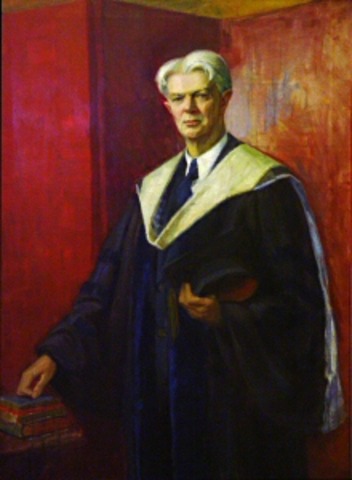
Dewey๐Ÿ”‘
โญ Dewey
Chair
๐Ÿ’ก Progressive Education & Experiential Learning

Researchers (real GeoVerse Lab members) 19

๐Ÿง‘โ€๐Ÿ”ฌ
๐Ÿ”‘
1876โ€“1956
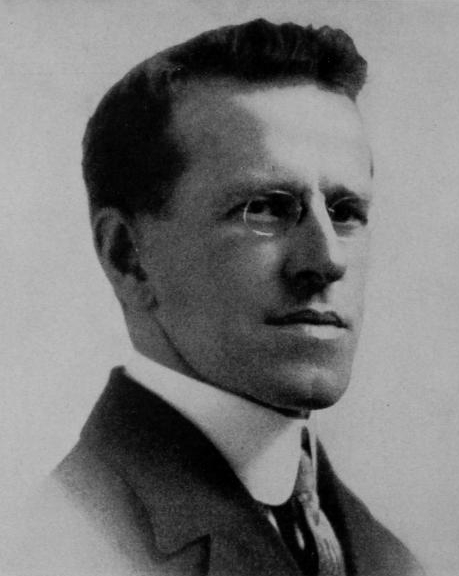
Franklin Bobbitt
Researcher
๐Ÿ’ก Wrote The Curriculum (1918), founding curriculum-making as a systematic field of educational study
Hilda Taba๐Ÿ”‘
1902โ€“1967
Hilda Taba
Researcher
๐Ÿ’ก Developed the Taba model of curriculum development, a grassroots, teacher-grounded sequence of needs diagnosis, objectives, content, organization, and evaluation
David McClelland๐Ÿ”‘
1917โ€“1998
David McClelland
Researcher
๐Ÿ’ก Founded the competency movement with 'Testing for Competence Rather Than for Intelligence' (1973), shifting curriculum and selection design toward measurable, performance-predictive competencies
๐Ÿง‘โ€๐Ÿ”ฌ
๐Ÿ”‘
1916โ€“2003
John B. Carroll
Researcher
๐Ÿ’ก Formulated the Model of School Learning (1963), defining aptitude as the time needed to learn to a criterion, foundational to mastery learning and outcome-based education
๐Ÿง‘โ€๐Ÿ”ฌ
๐Ÿ”‘
1916โ€“2002
Robert M. Gagnรฉ
Researcher
๐Ÿ’ก Formulated the Conditions of Learning and the Nine Events of Instruction, founding systematic instructional systems design
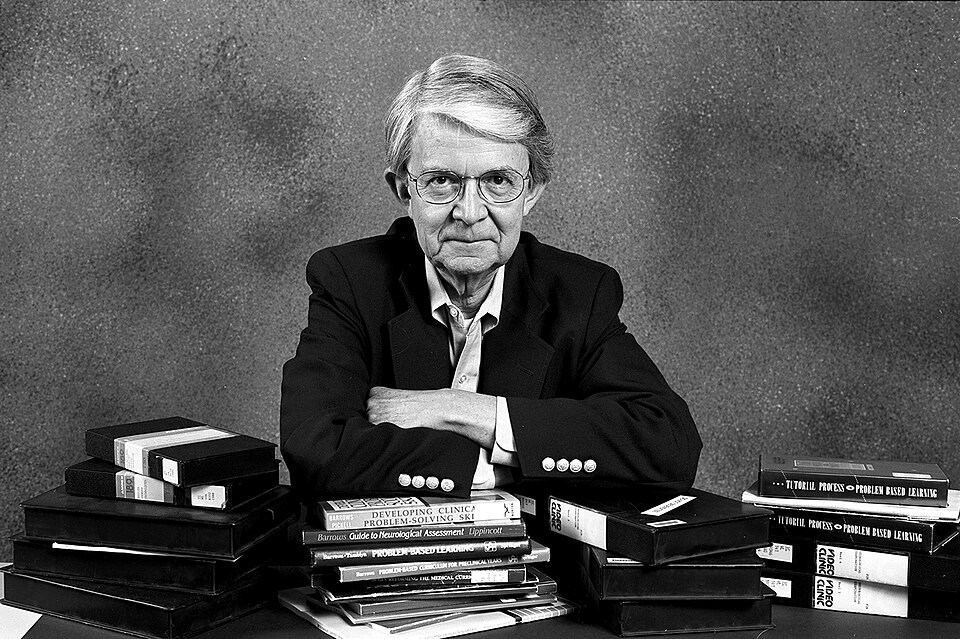
Howard Barrows๐Ÿ”‘
1928โ€“2011
Howard Barrows
Researcher
๐Ÿ’ก Developed Problem-Based Learning (PBL) at McMaster University Medical School, the small-group real-problem-driven curriculum method now used across professional education
William Heard Kilpatrick๐Ÿ”‘
1871โ€“1965
William Heard Kilpatrick
Researcher
๐Ÿ’ก Formulated the Project Method (1918), organizing curriculum around purposeful, learner-planned real-world projects
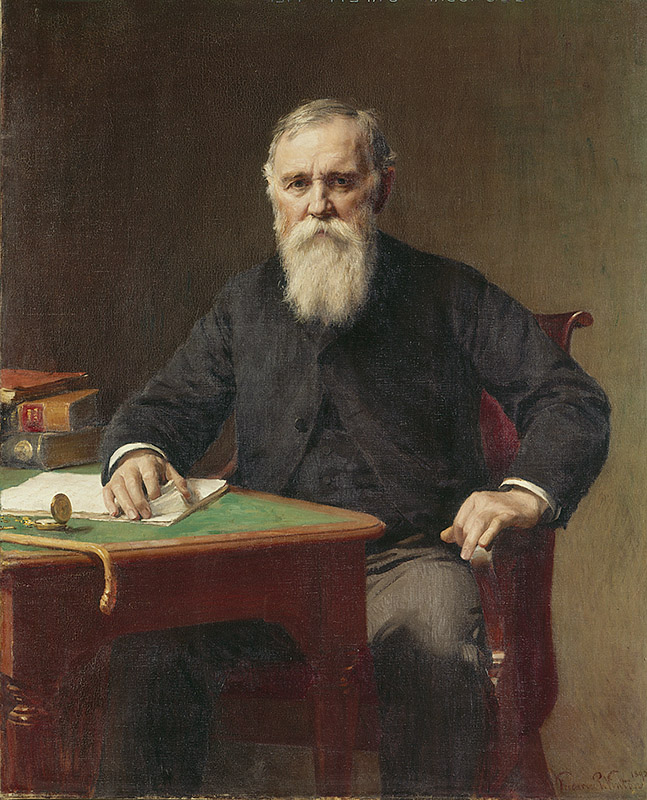
Christopher Columbus Langdell๐Ÿ”‘
1826โ€“1906
Christopher Columbus Langdell
Researcher
๐Ÿ’ก Pioneered the casebook (case method) of professional instruction as Dean of Harvard Law School, later adapted across business, policy, and technical education
Kurt Hahn๐Ÿ”‘
1886โ€“1974
Kurt Hahn
Researcher
๐Ÿ’ก Founded Outward Bound and several expeditionary schools, pioneering structured wilderness challenge and field expedition as a curriculum for character and skill development
Herman Schneider๐Ÿ”‘
1872โ€“1939
Herman Schneider
Researcher
๐Ÿ’ก Founded cooperative education in the United States at the University of Cincinnati (1909), formally alternating classroom study with paid supervised workplace experience
Robert F. Mager๐Ÿ”‘
1923โ€“2020
Robert F. Mager
Researcher
๐Ÿ’ก Developed the framework for writing precise, measurable instructional objectives and criterion-referenced instruction, foundational to modern skills-gap and needs-assessment practice
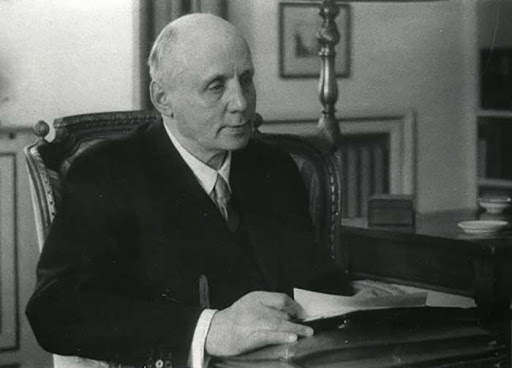
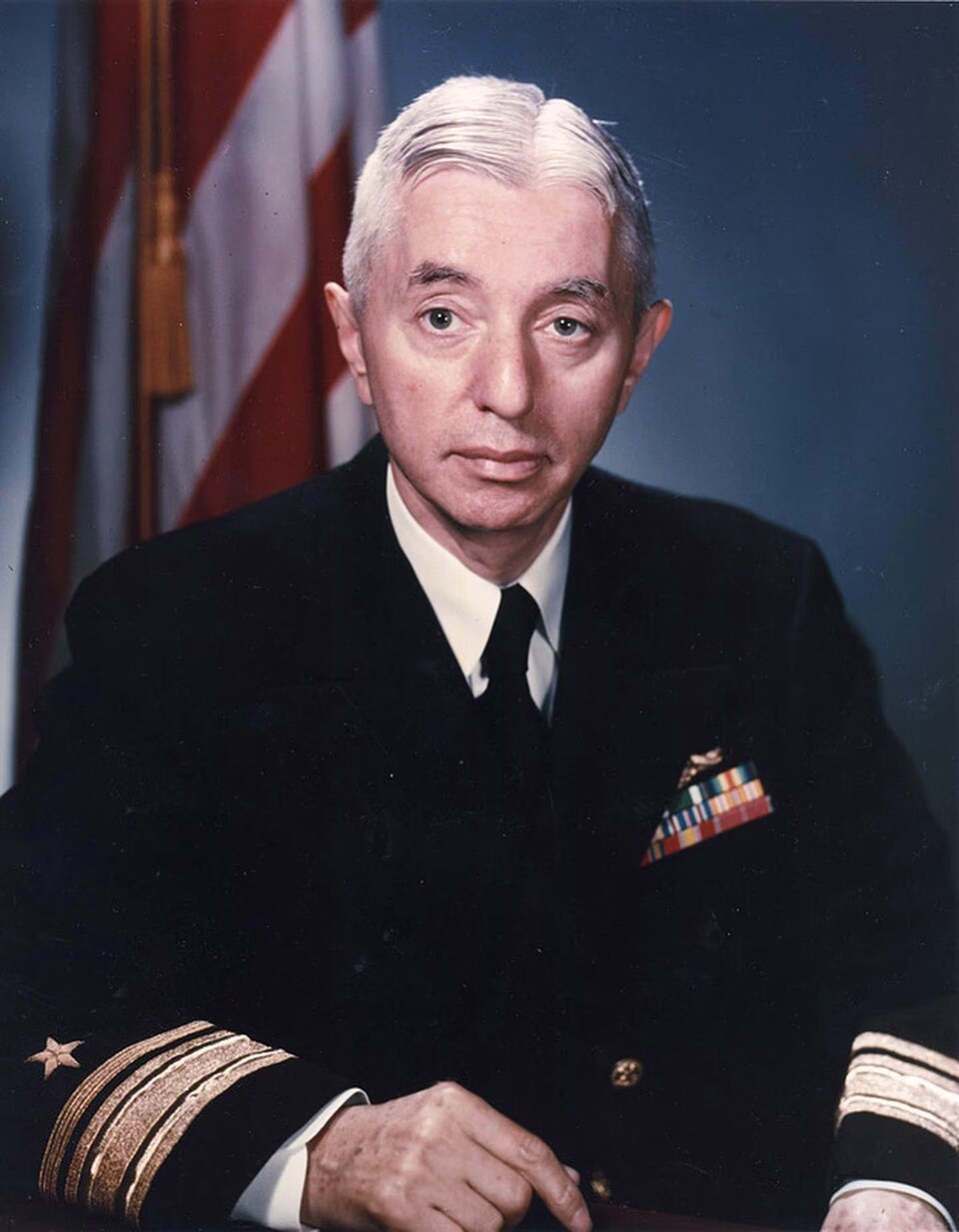
Hyman G. Rickover๐Ÿ”‘
1900โ€“1986
Hyman G. Rickover
Researcher
๐Ÿ’ก Directed the US Navy's nuclear propulsion training pipeline and publicly campaigned for rigorous, standards-driven STEM education reform
๐Ÿง‘โ€๐Ÿ”ฌ
๐Ÿ”‘
1869โ€“1942
Charles Riborg Mann
Researcher
๐Ÿ’ก Authored the 1918 Mann Report, the first comprehensive national study of American engineering education, foundational to the modern ABET accreditation regime
๐Ÿง‘โ€๐Ÿ”ฌ
๐Ÿ”‘
1899โ€“1996
Fred S. Keller
Researcher
๐Ÿ’ก Developed the Keller Plan (Personalized System of Instruction), a self-paced, mastery-oriented modular course architecture
Malcolm Knowles๐Ÿ”‘
1913โ€“1997
Malcolm Knowles
Researcher
๐Ÿ’ก Popularized andragogy (adult-learning theory) and learner-constructed contracts, foundational to prior-learning recognition and stackable credential pathway design
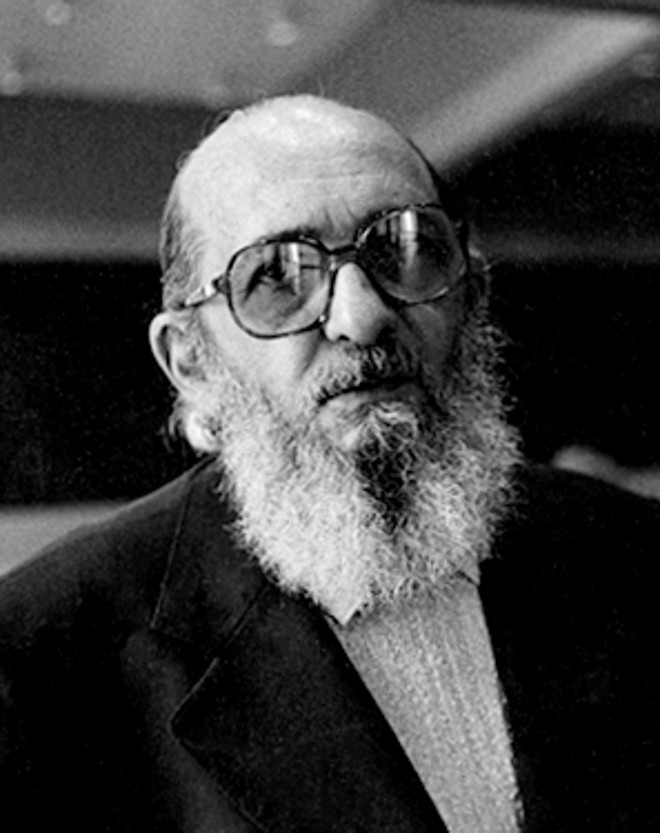
Paulo Freire๐Ÿ”‘
1921โ€“1997
Paulo Freire
Researcher
๐Ÿ’ก Founded critical pedagogy with Pedagogy of the Oppressed, arguing education must be grounded in learners' lived context and critical consciousness rather than passive transmission
๐Ÿง‘โ€๐Ÿ”ฌ
๐Ÿ”‘
1871โ€“1952
Charles A. Prosser
Researcher
๐Ÿ’ก Architect of the 1917 Smith-Hughes Act, establishing federally-supported vocational and technical education explicitly aligned to specific occupational skill requirements
Ronald L. Mace๐Ÿ”‘
1941โ€“1998
Ronald L. Mace
Researcher
๐Ÿ’ก Coined the term 'universal design,' requiring environments and materials to be usable by the widest range of people without need for adaptation, later adapted into Universal Design for Learning
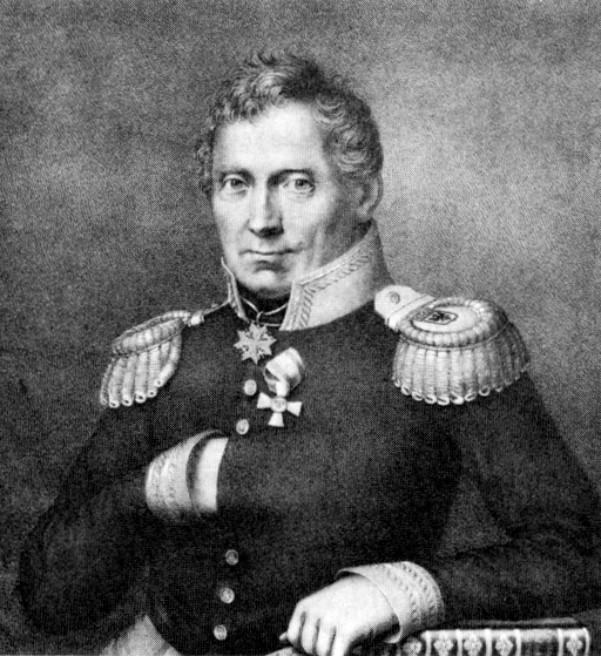
Georg von Reisswitz๐Ÿ”‘
1794โ€“1827
Georg von Reisswitz
Researcher
๐Ÿ’ก Kriegsspiel (1824): the first rule-based, umpired training simulation adopted for professional education