๐ŸŽ“GeoAcademyGeoVerse Lab
โ† Intelligent Geophysical Exploration College

Earthquake Seismology Department

The Earthquake Seismology Department prepares students to understand both natural and induced seismicity and to assess associated geohazards. The curriculum covers earthquake physics, seismic-wave propagation theory, and geomechanical triggering mechanisms, reinforced by hands-on projects analyzing seismic network data and evaluating hazard risk. By graduation, students can help design induced-seismicity monitoring systems and operate early-warning frameworks for subsurface energy operations.
โš™๏ธ GeoAcademy System Administration College๐Ÿ–ฅ๏ธ AI & Computing Sciences College๐Ÿ”ฌ Basic Sciences Collegeโšก Intelligent Geophysical Exploration College๐Ÿ›ข๏ธ Resource & Energy Engineering College๐ŸŒ Applied Geoscience Solutions College๐Ÿ’ผ Economics, Policy & Strategy for the Future College๐ŸŽ“ Education & Training Development College๐Ÿš€ Innovation & International Collaboration College
Seismic Exploration & Imaging DepartmentGravity & Magnetic Methods DepartmentElectromagnetic Methods DepartmentEarthquake Seismology DepartmentIntegrated Geophysics & Interpretation DepartmentInversion & Modeling DepartmentWell Logging & Petrophysics Department
Gutenberg๐Ÿ”‘
โญ Gutenberg
Chair
๐Ÿ’ก Earthquake Seismology & Earth Structure

Researchers (real GeoVerse Lab members) 16

John Milne๐Ÿ”‘
1850โ€“1913
John Milne
Researcher
๐Ÿ’ก Invented the modern horizontal-pendulum seismograph and established the first global network of seismological observatories
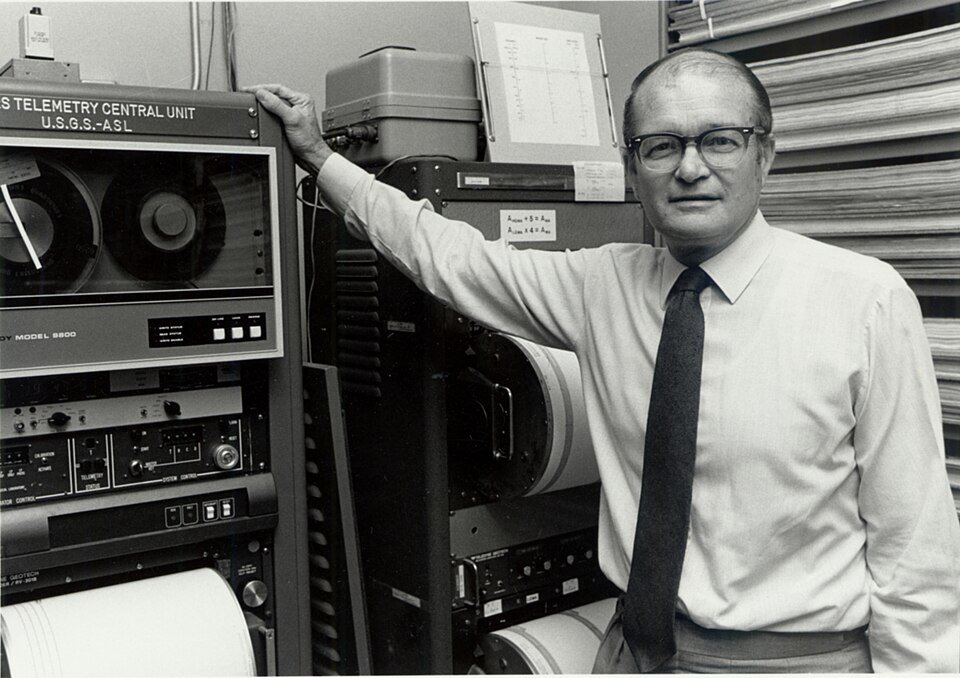
Jack H. Healy๐Ÿ”‘
1929โ€“2012
Jack H. Healy
Researcher
๐Ÿ’ก Led USGS investigation of the Denver earthquakes and the Rangely, Colorado fluid-injection experiment (1976), providing the first controlled field proof that fluid injection triggers earthquakes
๐Ÿง‘โ€๐Ÿ”ฌ
๐Ÿ”‘
1930โ€“2005
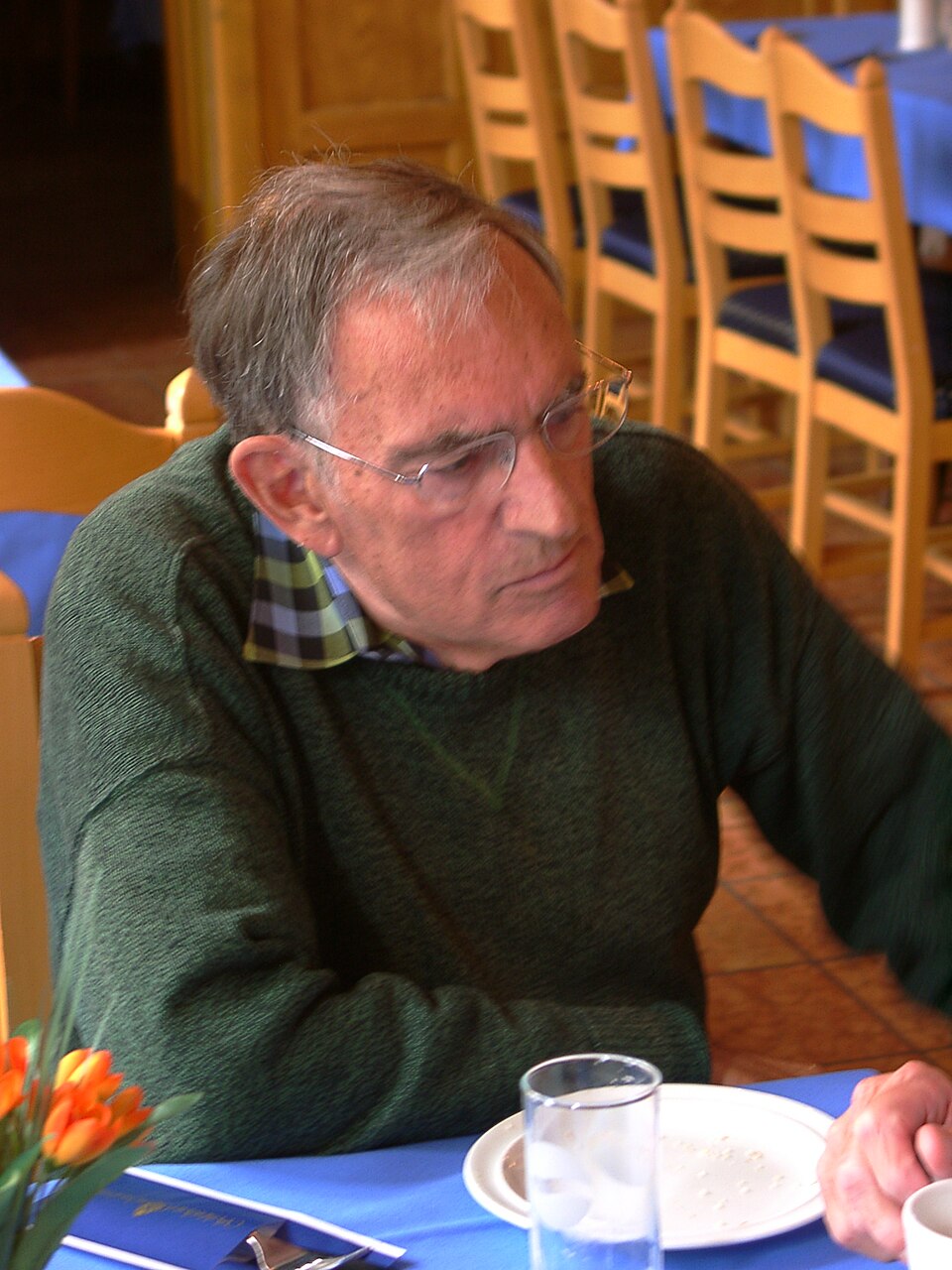
Keiiti Aki
Researcher
๐Ÿ’ก Co-authored the field-defining textbook 'Quantitative Seismology'; pioneered seismic coda-wave analysis and laid theoretical groundwork for ambient-noise-based imaging
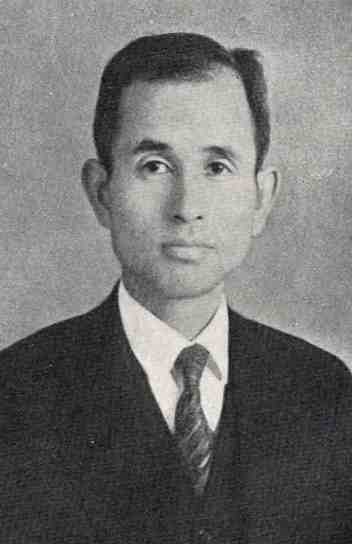
Katsutada Sezawa๐Ÿ”‘
1895โ€“1944
Katsutada Sezawa
Researcher
๐Ÿ’ก Founding theoretical work on seismic surface-wave propagation in layered media (Sezawa waves), the mathematical basis of modern site-amplification and Vs30 analysis
๐Ÿง‘โ€๐Ÿ”ฌ
๐Ÿ”‘
1938โ€“2007
C. Allin Cornell
Researcher
๐Ÿ’ก Founded probabilistic seismic hazard analysis (PSHA) with his 1968 paper 'Engineering Seismic Risk Analysis'
Bruce Bolt๐Ÿ”‘
1930โ€“2005
Bruce Bolt
Researcher
๐Ÿ’ก Pioneer of engineering seismology and strong-motion instrumentation; advocated near-fault strong-motion sensor networks; authored the standard textbook 'Earthquakes'
Adam Dziewonski๐Ÿ”‘
1936โ€“2016
Adam Dziewonski
Researcher
๐Ÿ’ก Co-founded the Harvard/Global Centroid Moment Tensor (CMT) catalogue (1981), the standard database of earthquake moment tensor solutions
๐Ÿง‘โ€๐Ÿ”ฌ
๐Ÿ”‘
1947โ€“2010
Jacques Angelier
Researcher
๐Ÿ’ก Developed the fault-slip and focal-mechanism stress-tensor inversion methods (right-dihedral and INVD methods) that are the standard tools of seismotectonic stress analysis
๐Ÿง‘โ€๐Ÿ”ฌ
๐Ÿ”‘
1891โ€“1989
Harold Jeffreys
Researcher
๐Ÿ’ก Co-developed the Jeffreys-Bullen seismic travel-time tables (1940), the foundational reference for earthquake location for decades
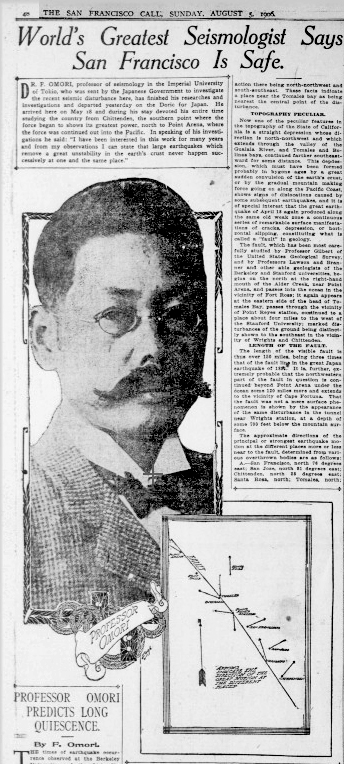
Fusakichi Omori๐Ÿ”‘
1868โ€“1923
Fusakichi Omori
Researcher
๐Ÿ’ก Discovered Omori's Law (1894) describing the power-law decay of aftershock frequency with time, the foundation of modern earthquake statistics
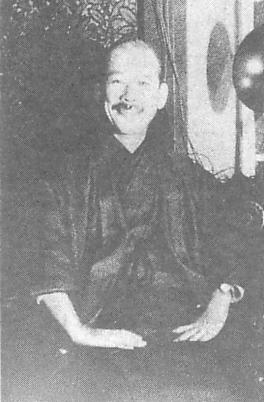
Akitsune Imamura๐Ÿ”‘
1870โ€“1948
Akitsune Imamura
Researcher
๐Ÿ’ก Correctly warned of a major earthquake risk to Tokyo years before the devastating 1923 Great Kanto earthquake, and pioneered systematic earthquake forecasting/early-warning research in Japan
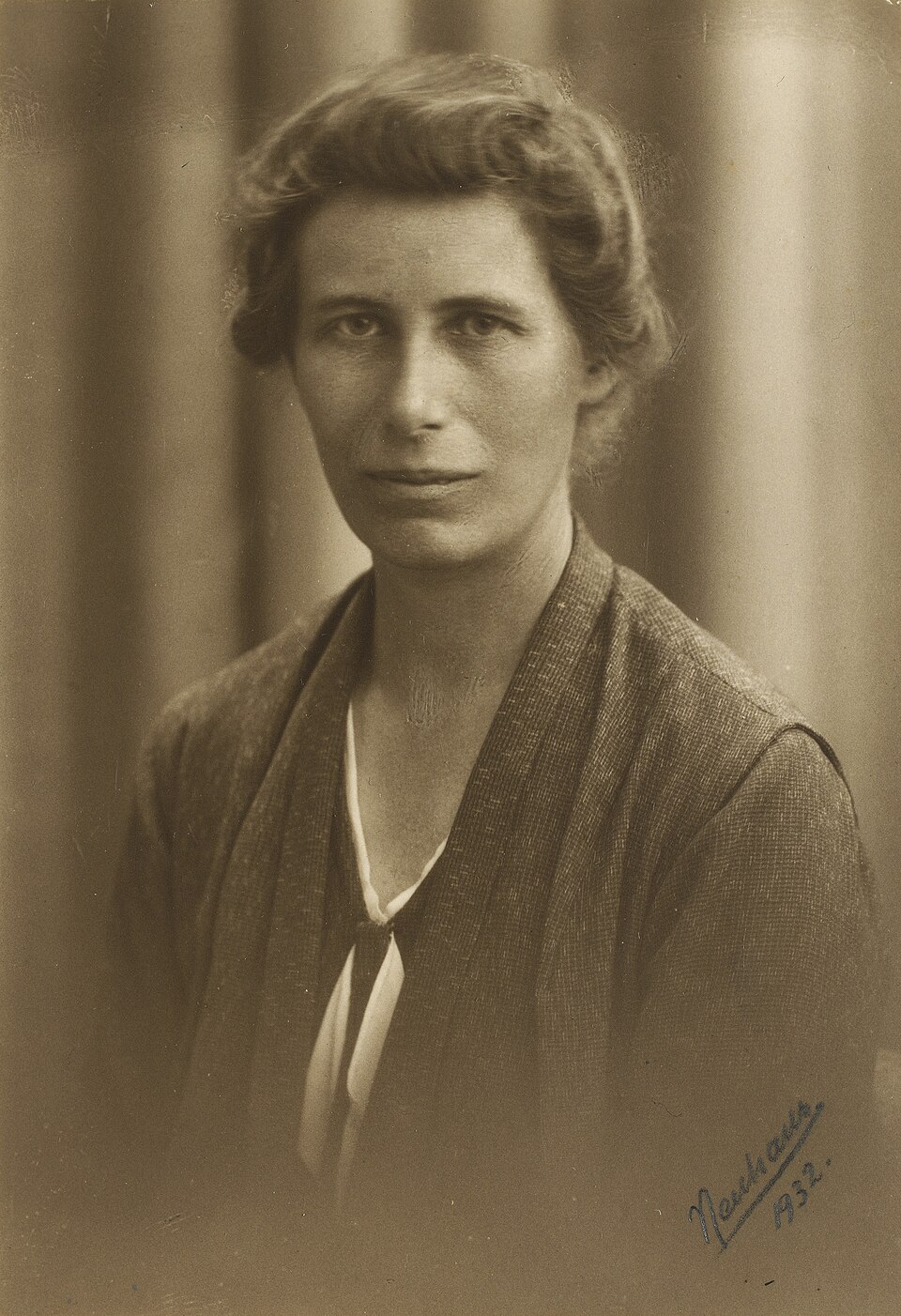
Inge Lehmann๐Ÿ”‘
1888โ€“1993
Inge Lehmann
Researcher
๐Ÿ’ก Discovered the solid inner core of the Earth (1936) by analyzing anomalous seismic wave arrivals
๐Ÿง‘โ€๐Ÿ”ฌ
๐Ÿ”‘
1925โ€“2011
Leon Knopoff
Researcher
๐Ÿ’ก Developed the theoretical 'double-couple' model of an earthquake source (1956) and, with Robert Burridge, the 1964 representation theorem foundational to modern rupture theory
J. Tuzo Wilson๐Ÿ”‘
1908โ€“1993
J. Tuzo Wilson
Researcher
๐Ÿ’ก Introduced the concept of transform faults (1965), explaining how earthquake-generating plate boundaries connect mid-ocean ridges and subduction zones, a cornerstone of plate tectonics
Thomas Jaggar๐Ÿ”‘
1871โ€“1953
Thomas Jaggar
Researcher
๐Ÿ’ก Founded the Hawaiian Volcano Observatory (1912) and pioneered continuous seismographic monitoring of active volcanoes
Frank Press๐Ÿ”‘
1924โ€“2020
Frank Press
Researcher
๐Ÿ’ก Directed the Caltech Seismological Laboratory and contributed to free-oscillation seismology and tsunami-generating earthquake source studies underlying modern tsunami warning systems; later served as science advisor to the US President and President of the National Academy of Sciences