🎓GeoAcademyGeoVerse Lab
Intelligent Geophysical Exploration College

Seismic Exploration & Imaging Department

The Seismic Exploration & Imaging Department teaches the full pipeline of seismic acquisition, processing, and imaging technology for high-resolution subsurface characterization. Through hands-on work in reflection seismic processing, velocity-model building, and structural imaging, students learn techniques applicable to oil and gas exploration and CO2 storage site evaluation. Graduates can take a seismic dataset all the way from acquisition to final imaging by themselves, start to finish.
⚙️ GeoAcademy System Administration College🖥️ AI & Computing Sciences College🔬 Basic Sciences College⚡ Intelligent Geophysical Exploration College🛢️ Resource & Energy Engineering College🌍 Applied Geoscience Solutions College💼 Economics, Policy & Strategy for the Future College🎓 Education & Training Development College🚀 Innovation & International Collaboration College
Seismic Exploration & Imaging DepartmentGravity & Magnetic Methods DepartmentElectromagnetic Methods DepartmentEarthquake Seismology DepartmentIntegrated Geophysics & Interpretation DepartmentInversion & Modeling DepartmentWell Logging & Petrophysics Department
Ricker🔑
Ricker
Chair
💡 Seismic Wavelet Theory & Imaging

Researchers (real GeoVerse Lab members) 23

🧑‍🔬
🔑
1939–2022
Norman Bleistein
Researcher
💡 Co-developed (with Jack Cohen) true-amplitude Kirchhoff migration/inversion theory, unifying seismic imaging and quantitative inversion, foundational to modern FWI and migration-inversion workflows
🧑‍🔬
🔑
1940–1996
Jack K. Cohen
Researcher
💡 Co-authored (with Norman Bleistein) the seminal late-1970s papers establishing the mathematical basis of Kirchhoff-based seismic migration algorithms
🧑‍🔬
🔑
1905–1984
C. Hewitt Dix
Researcher
💡 Derived the Dix equation (1955) relating interval velocity to stacking (NMO) velocity from reflection traveltimes, the foundational formula of seismic velocity analysis
🧑‍🔬
🔑
1911–2000
John M. Crawford
Researcher
💡 Co-invented Vibroseis (with W.E.N. Doty and M.R. Lee), the continuous-signal vibratory seismic source method that replaced dynamite as the dominant land seismic source
🧑‍🔬
🔑
1894–1978
J. Clarence Karcher
Researcher
💡 Invented and commercialized the reflection seismograph (patents from 1919, first commercial survey 1921), co-founded Geophysical Service Inc. (precursor to Texas Instruments)
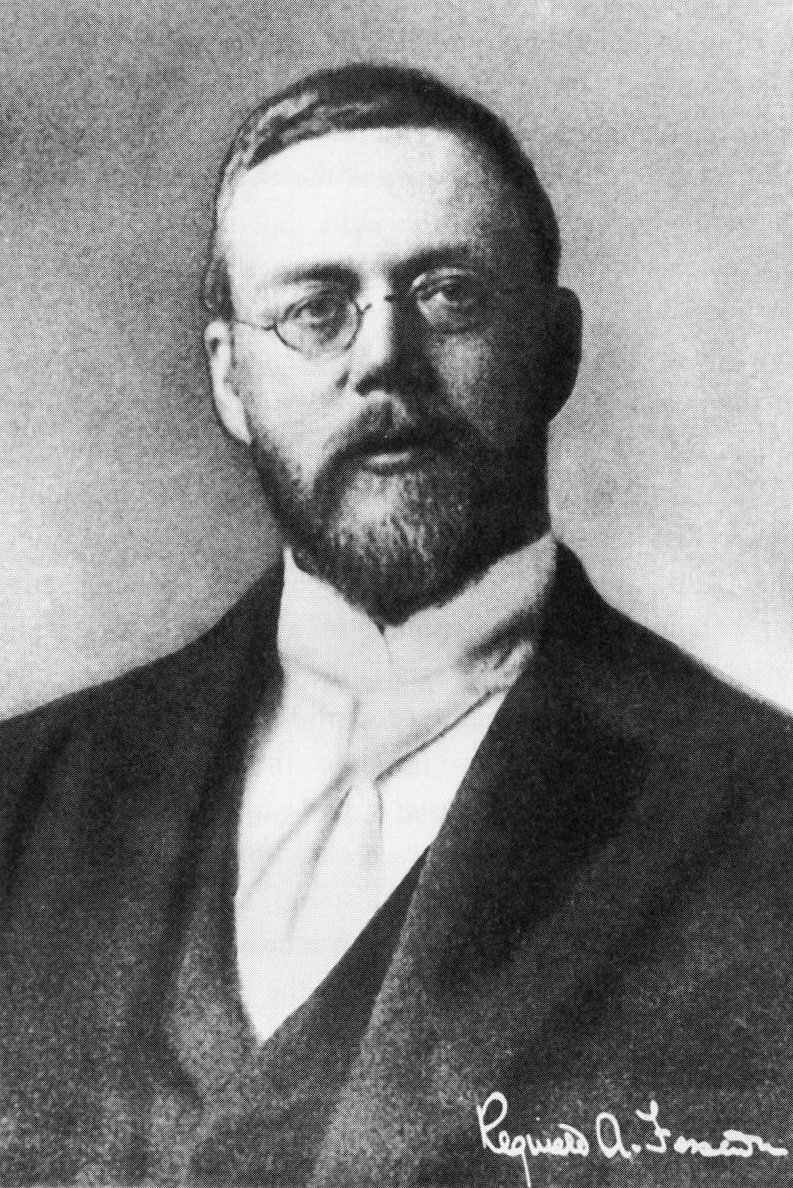
Reginald Fessenden🔑
1866–1932
Reginald Fessenden
Researcher
💡 Patented the first practical sonar/echo-sounding system (1914), the acoustic-source and underwater-signal foundation later adapted for marine seismic exploration
🧑‍🔬
🔑
1891–1948
Frank Rieber
Researcher
💡 Developed variable-density photographic recording for seismic data (1936), adapting sound-on-film technology to enable reproducible, automated seismic trace analysis
🧑‍🔬
🔑
1908–2008
Sidney Kaufman
Researcher
💡 Conducted the world's first offshore seismic survey for oil (1940s) at Shell Oil, and co-initiated the COCORP deep continental reflection profiling consortium
🧑‍🔬
🔑
1923–2011
Jack Oliver
Researcher
💡 Co-founded COCORP, applying petroleum-exploration seismic reflection profiling to image the deep continental crust for the first time; co-authored the foundational 1968 plate-tectonics paper 'Seismology and the New Global Tectonics'
Cecil Howard Green🔑
1900–2003
Cecil Howard Green
Researcher
💡 Co-founded Geophysical Service Inc. (with Karcher and others), the company that became Texas Instruments, building the industrial and instrumentation infrastructure of exploration seismology
🧑‍🔬
🔑
1925–2018
Roy Oliver Lindseth
Researcher
💡 Invented seismic trace inversion (Lindseth inversion), converting seismic amplitude data into pseudo-acoustic-impedance logs, and pioneered synthetic well-log generation and digital seismic signal processing
🧑‍🔬
🔑
1918–2003
J. Edward White
Researcher
💡 Made seminal contributions to shear-wave prospecting, vertical seismic profiling, full-waveform acoustic logging, and seismic-wave attenuation theory over a 30-year research career
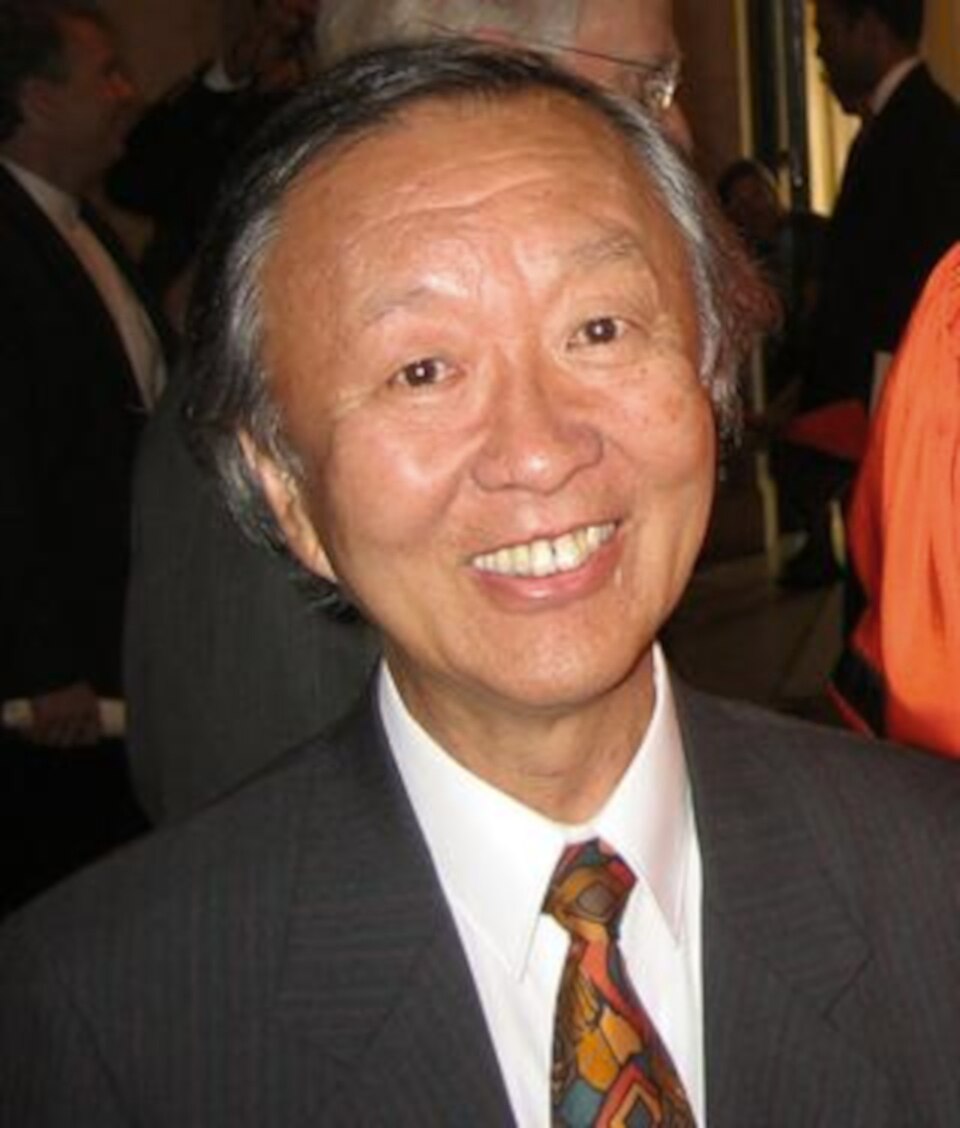
Charles K. Kao🔑
1933–2018
Charles K. Kao
Researcher
💡 Pioneered low-loss optical fiber technology (1966), earning the 2009 Nobel Prize in Physics; the physical foundation of distributed acoustic sensing (DAS) fiber-optic seismic acquisition
🧑‍🔬
🔑
1905–1970
Norman Haskell
Researcher
💡 Developed the Thomson-Haskell propagator matrix method (1953) for computing Rayleigh and Love surface-wave dispersion in multilayered media, the standard computational tool for near-surface shear-velocity inversion
🧑‍🔬
🔑
1935–2024
Stuart Crampin
Researcher
💡 Advanced the theory and application of shear-wave splitting to detect stress-aligned microcrack anisotropy in the crust, foundational to modern seismic anisotropy analysis
🧑‍🔬
🔑
1881–1908
Karl Bernhard Zoeppritz
Researcher
💡 Derived the Zoeppritz equations (1919, published posthumously) relating P- and S-wave reflection/transmission amplitudes to angle of incidence, the exact mathematical foundation of AVO/AVA analysis
Gustav Herglotz🔑
1881–1953
Gustav Herglotz
Researcher
💡 Co-developed (with Emil Wiechert) the Wiechert-Herglotz method (1907) for inverting travel-time curves to recover subsurface velocity structure, the mathematical origin of traveltime tomography
🧑‍🔬
🔑
1912–1975
Norman Levinson
Researcher
💡 Developed the Levinson recursion algorithm (1947) for efficiently solving Toeplitz normal equations, the computational backbone of predictive deconvolution and multiple-suppression filtering in seismic processing
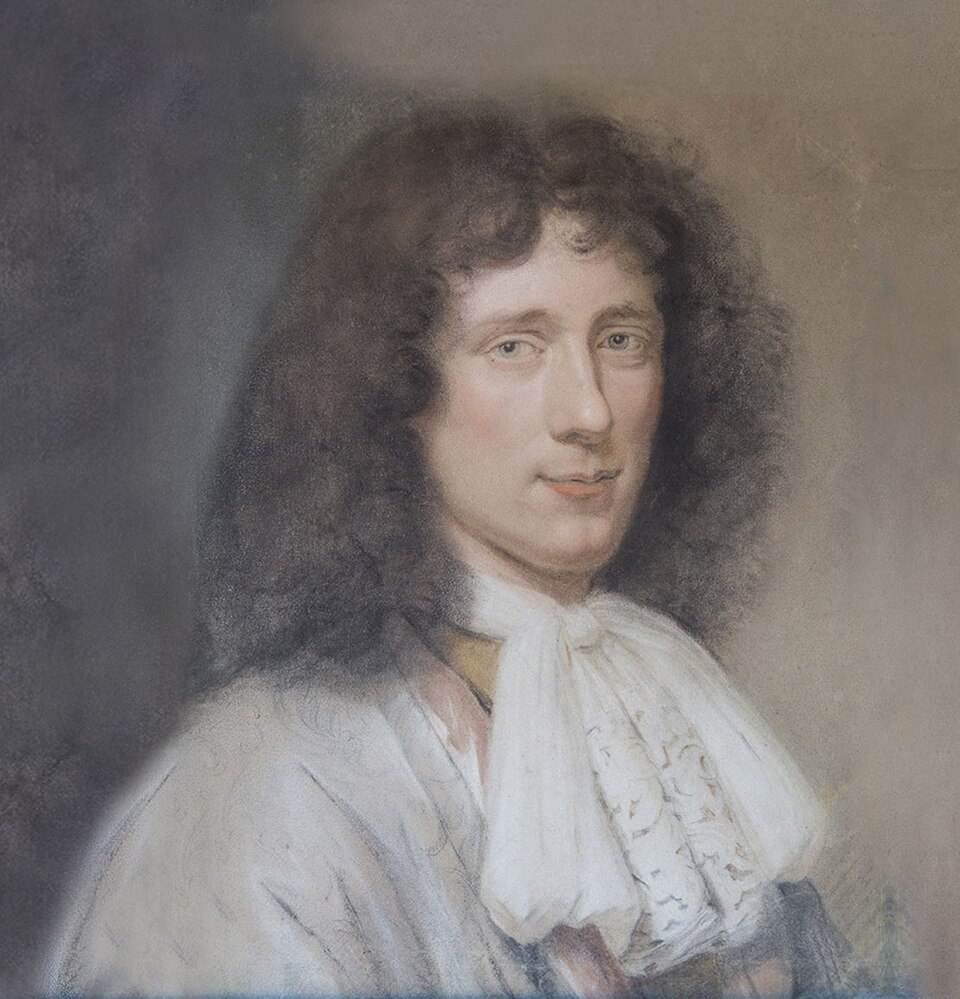
Christiaan Huygens🔑
1629–1695
Christiaan Huygens
Researcher
💡 Formulated Huygens' Principle (1678), describing wave propagation as the superposition of secondary wavelets, the foundational wave-optics concept underlying seismic survey illumination and diffraction analysis
🧑‍🔬
🔑
1889–1976
Harry Nyquist
Researcher
💡 Established the Nyquist sampling criterion (1928), the foundational sampling theory underlying seismic data interpolation, regularization, and simultaneous-source (blended) data separation
Woldemar Voigt🔑
1850–1919
Woldemar Voigt
Researcher
💡 Developed the Voigt (Kelvin-Voigt) viscoelastic material model, the rheological foundation of seismic attenuation (Q) and viscoelastic wave-propagation theory
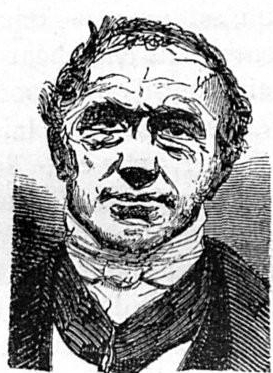
Adrien-Marie Legendre🔑
1752–1833
Adrien-Marie Legendre
Researcher
💡 Method of least squares (1805); Legendre polynomials; Legendre transformation
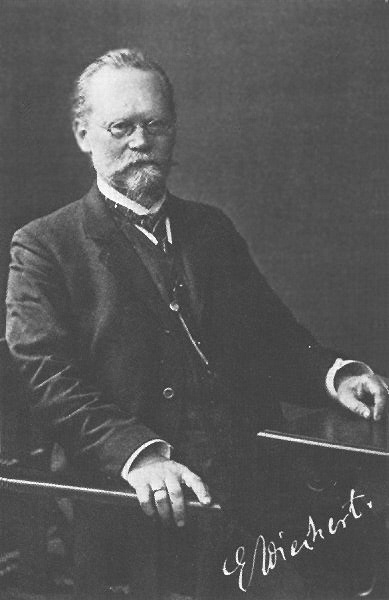
Emil Wiechert🔑
1861–1928
Emil Wiechert
Researcher
💡 Wiechert seismograph and first continuous global seismic recording; discovery of the Earth's core-mantle structure