GeoVerse Lab
โ† AI & Computing Sciences Division

AI for Science Center

Pioneers AI methods that accelerate scientific discovery - protein folding, materials design, weather and climate modeling, and mathematical reasoning - through scientific foundation models, physics-informed and equivariant neural networks, and simulation-based inference, while leading cross-division AI4Science programs.

Machine Learning CenterNatural Language Processing CenterComputer Vision CenterHigh-Performance Computing CenterQuantum Computing CenterGenerative AI & Foundation Models CenterReinforcement Learning & Agents CenterAI Safety & Alignment CenterAI for Science CenterRobotics & Embodied AI Center
Research Fields 16
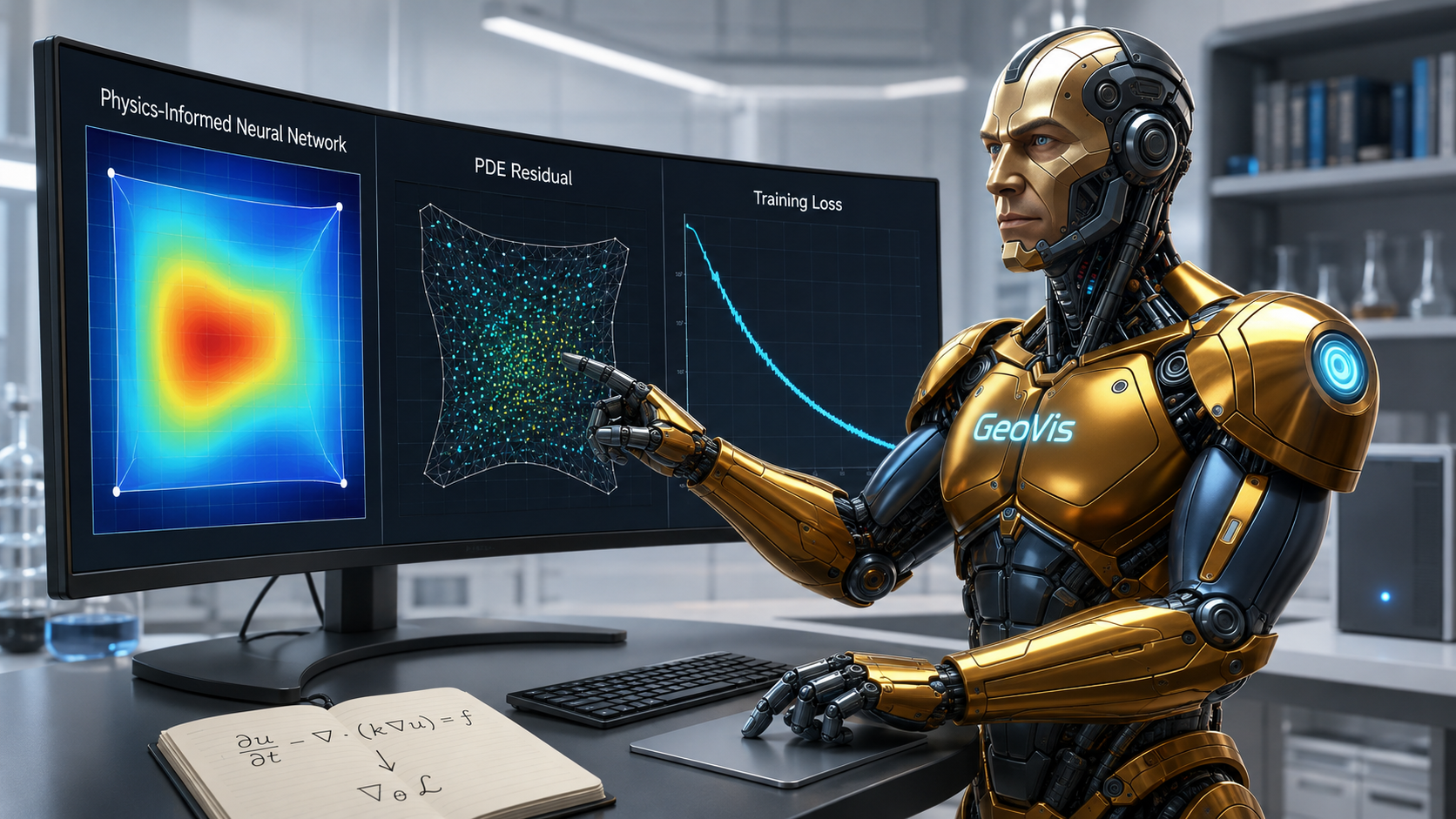
Physics-Informed Neural Networks & Scientific Machine Learning
๐Ÿงฎ Physics-Informed Neural Networks & Scientific Machine Learning
Physics-informed neural networks (PINNs) are neural network surrogates for the solutions oโ€ฆ
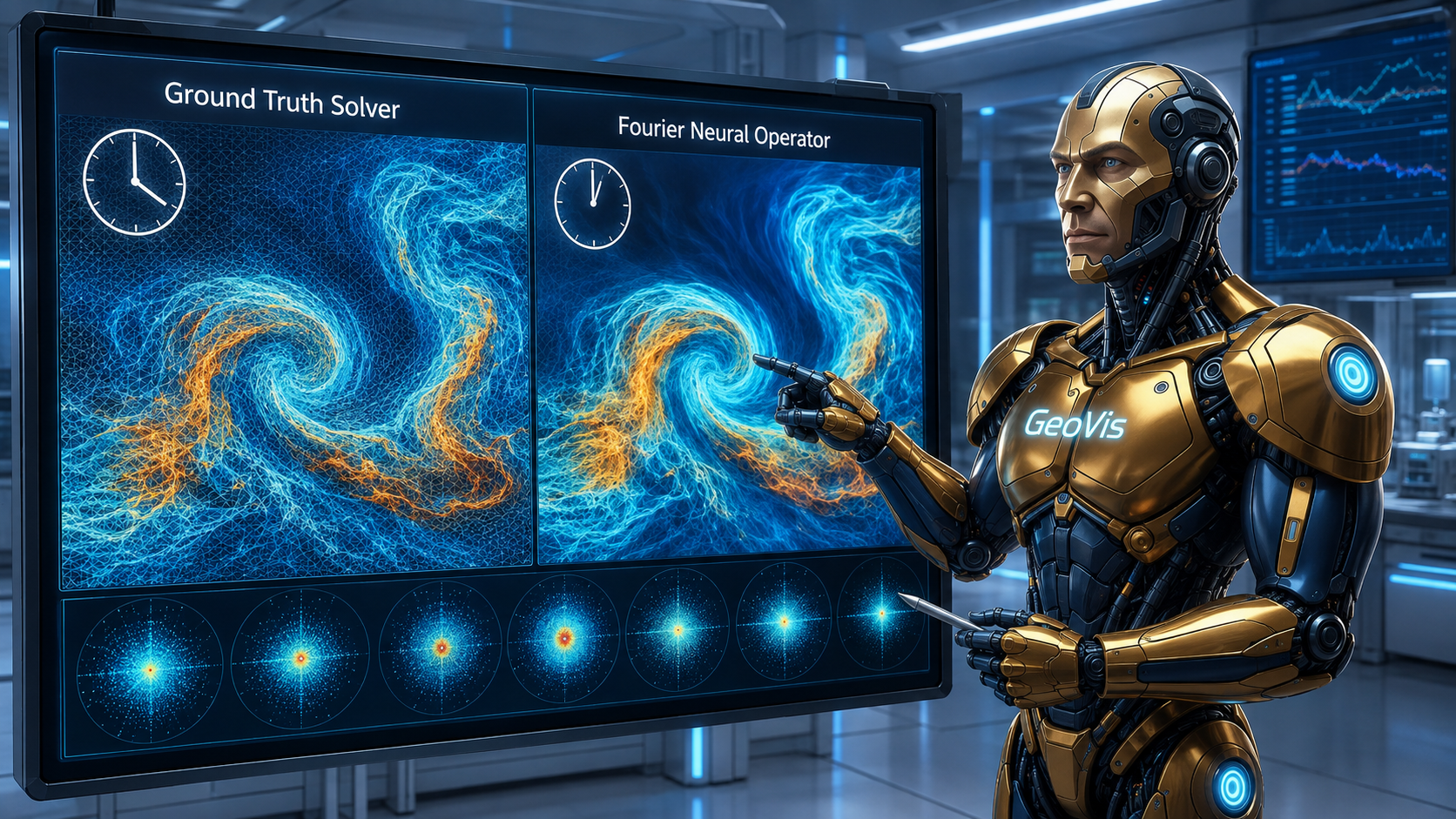
Neural Operators & Operator Learning
๐ŸŒ€ Neural Operators & Operator Learning
Neural operator learning trains a neural network to approximate an operator, that is a mapโ€ฆ
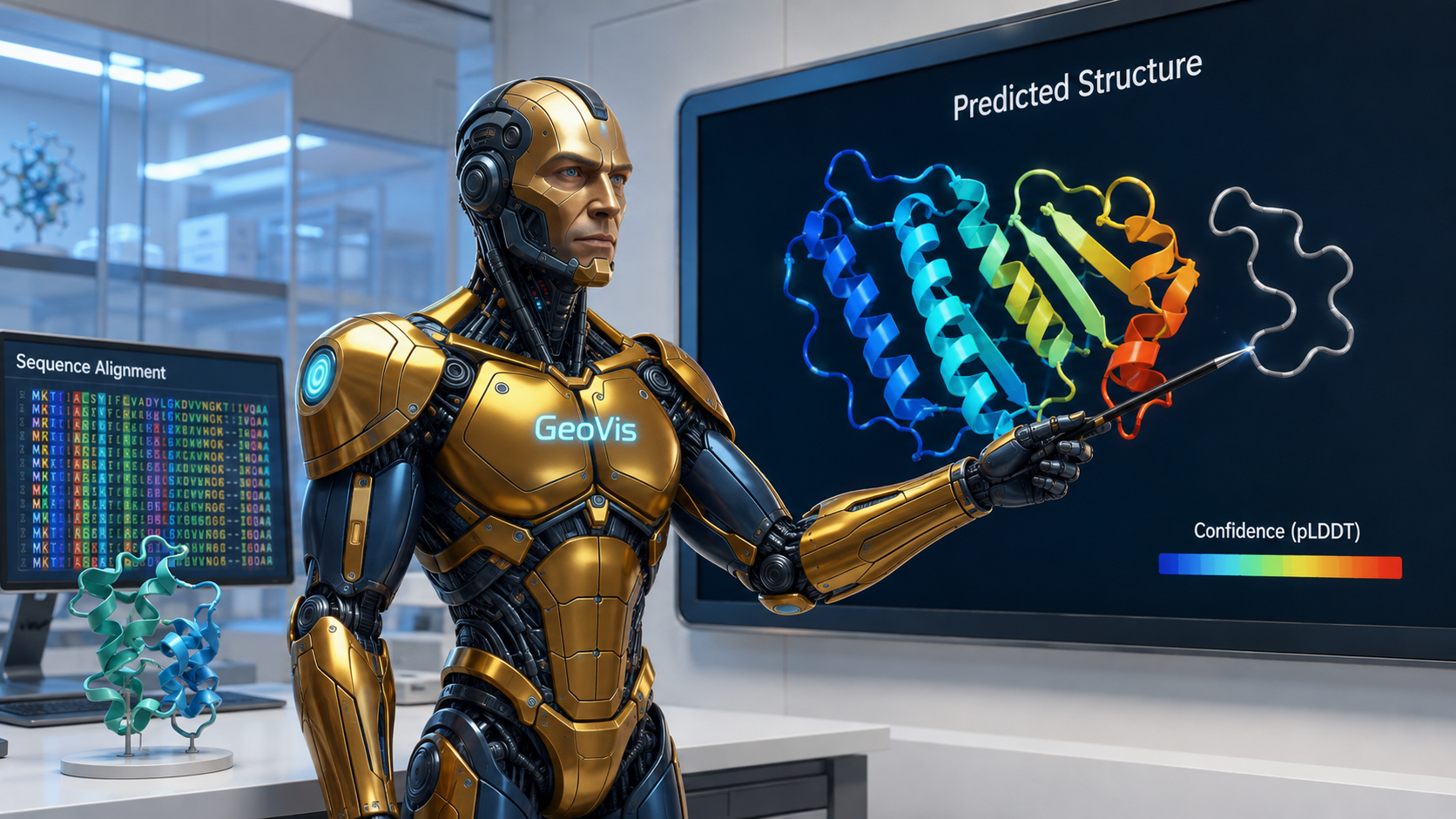
Protein Structure Prediction & Computational Structural Biology
๐Ÿงฌ Protein Structure Prediction & Computational Structural Biology
Protein structure prediction is the computational task of inferring the three-dimensional โ€ฆ
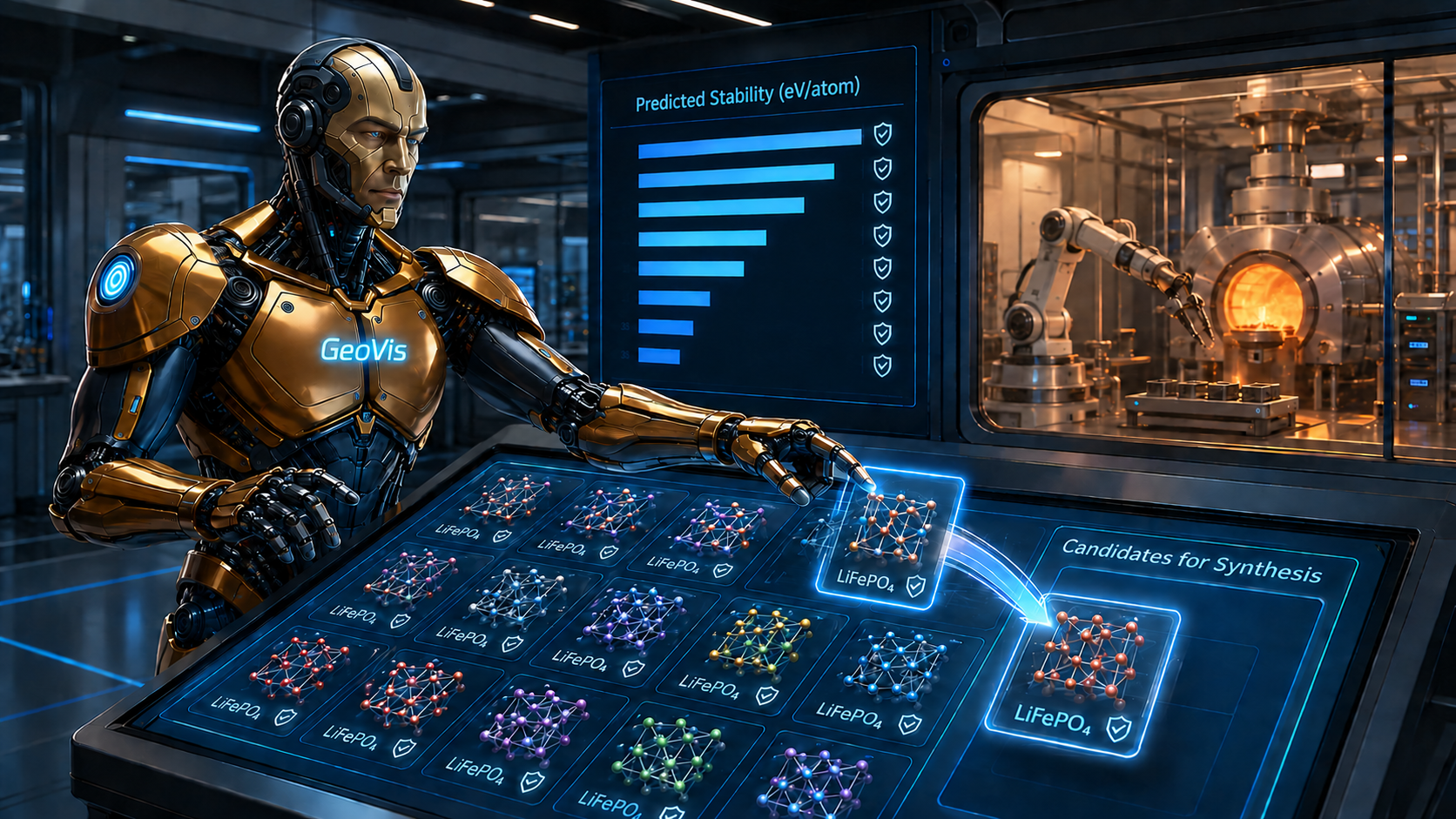
Materials Discovery & Inverse Materials Design
๐Ÿ’Ž Materials Discovery & Inverse Materials Design
Materials discovery via artificial intelligence is the use of generative models, graph neuโ€ฆ
AI for Weather & Climate Prediction
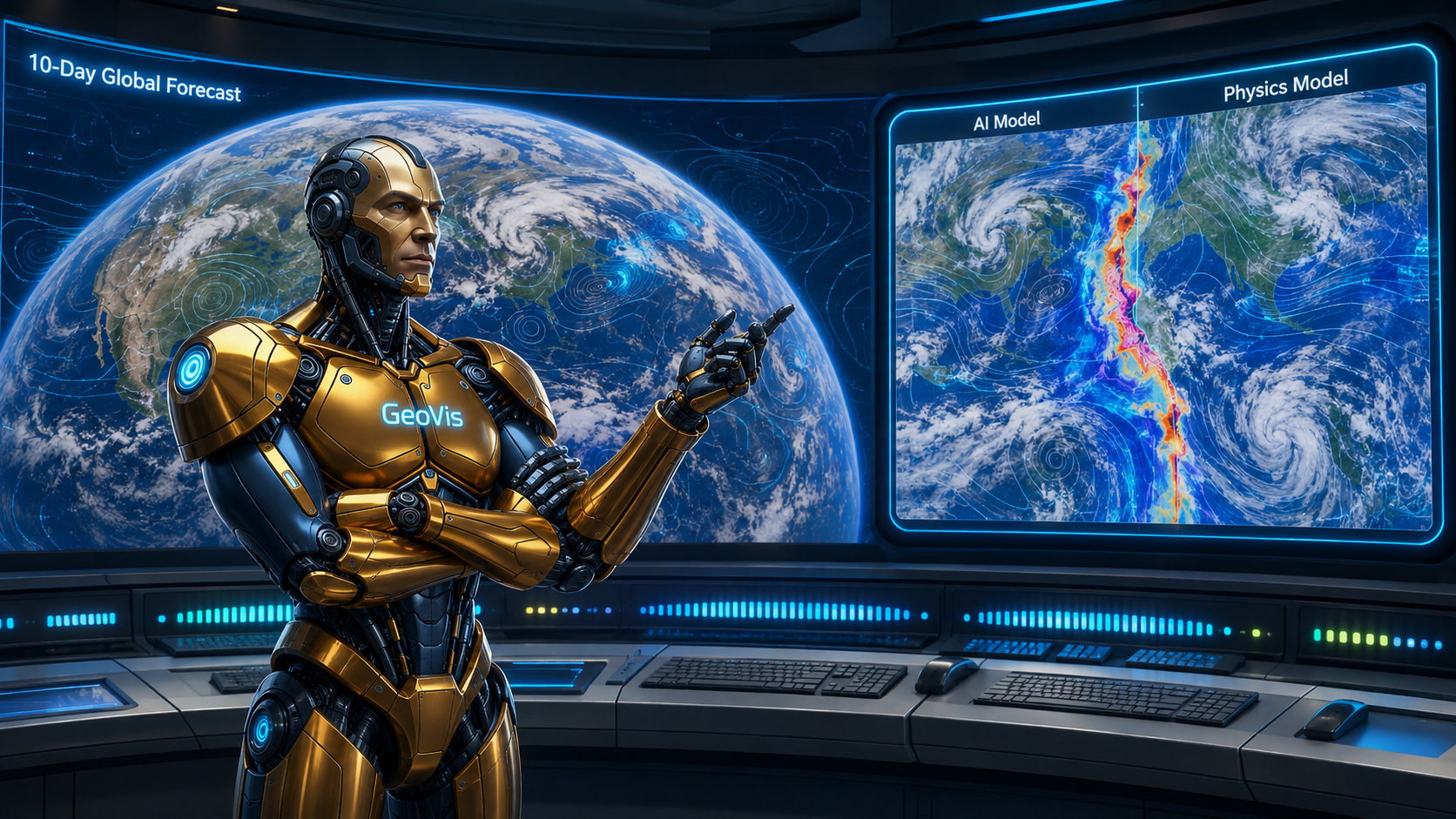
๐ŸŒฆ๏ธ AI for Weather & Climate Prediction
AI for weather and climate prediction trains graph or transformer neural networks directlyโ€ฆ
AI for Genomics & Computational Bioinformatics
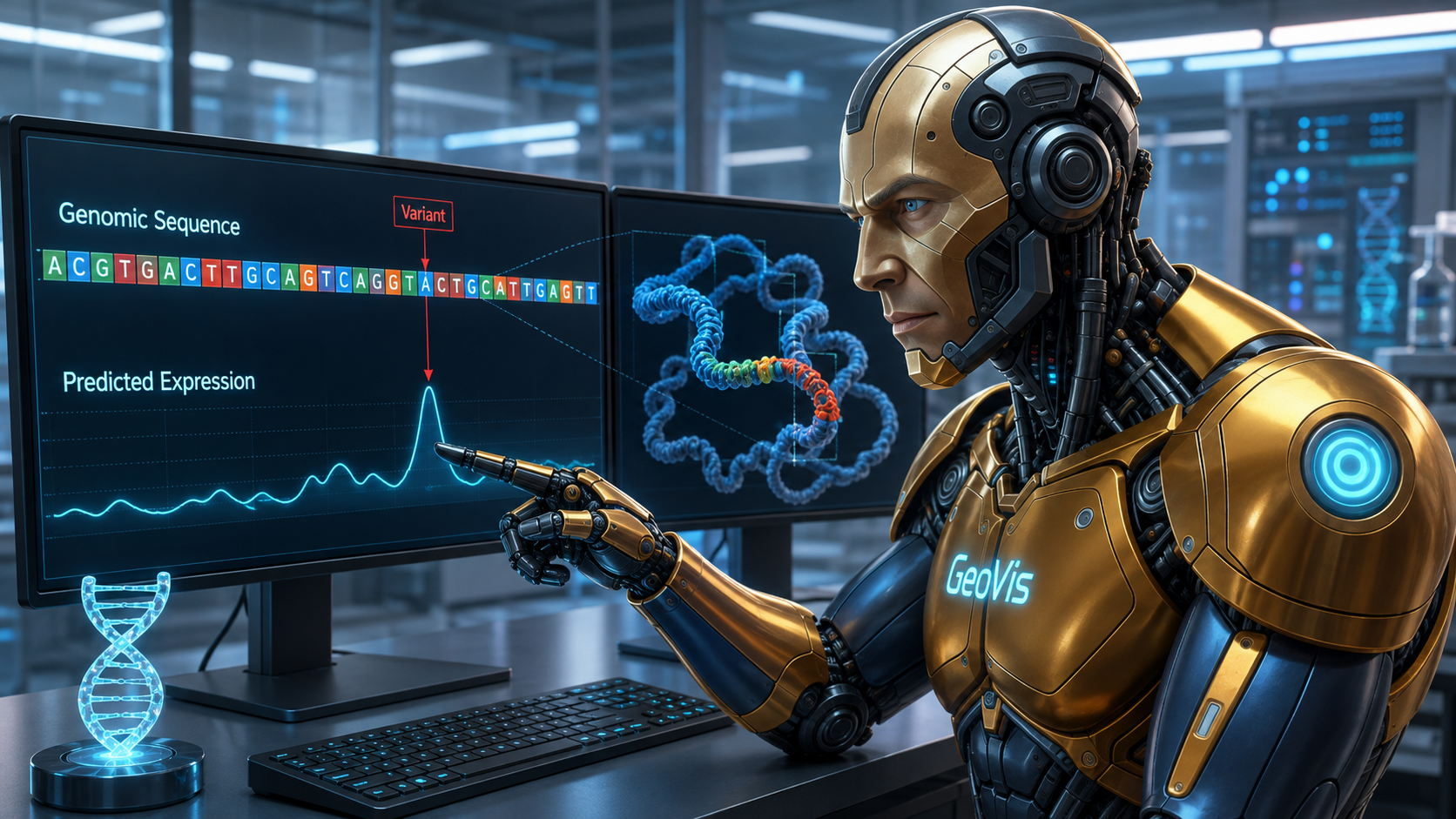
๐Ÿงซ AI for Genomics & Computational Bioinformatics
AI for genomics applies deep sequence models, typically convolutional or transformer archiโ€ฆ
Quantum Chemistry & Molecular Machine Learning
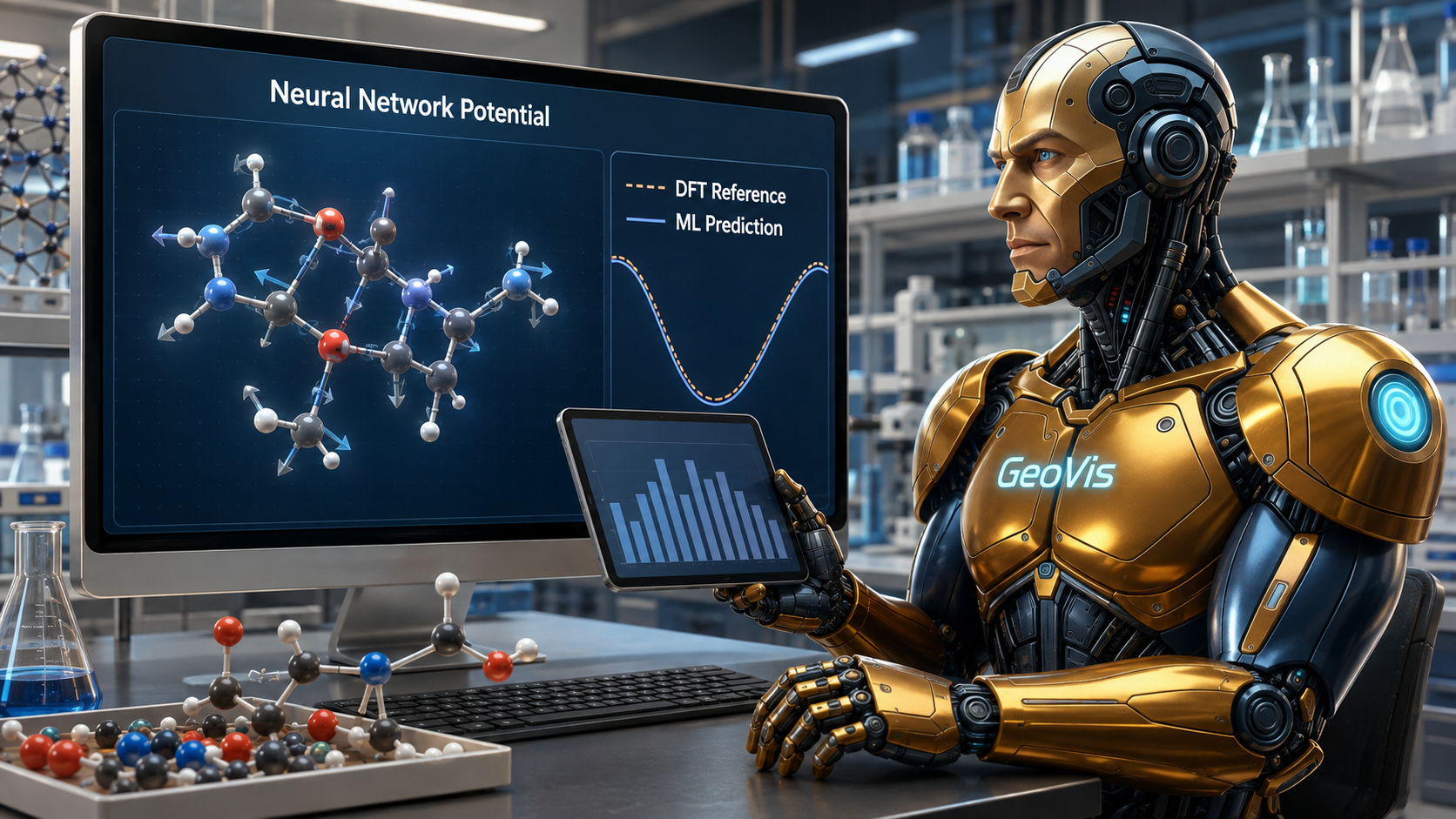
โš›๏ธ Quantum Chemistry & Molecular Machine Learning
Molecular machine learning trains a neural network, typically an equivariant graph neural โ€ฆ
Turbulence & Fluid-Dynamics Surrogate Modelling
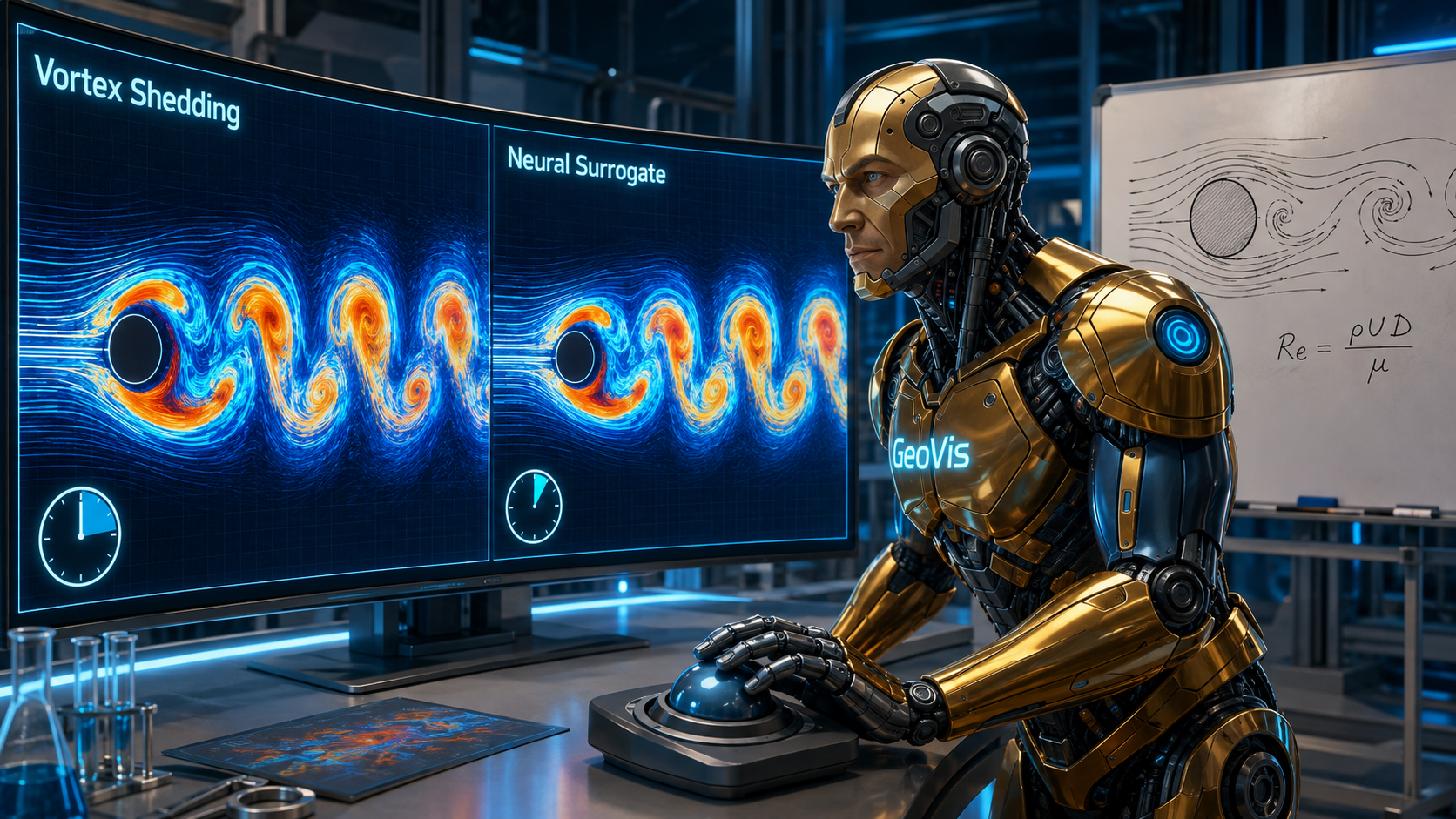
๐ŸŒช๏ธ Turbulence & Fluid-Dynamics Surrogate Modelling
Machine-learning turbulence modelling uses trained neural networks either to replace the sโ€ฆ
Automated Mathematical Discovery & Theorem Proving
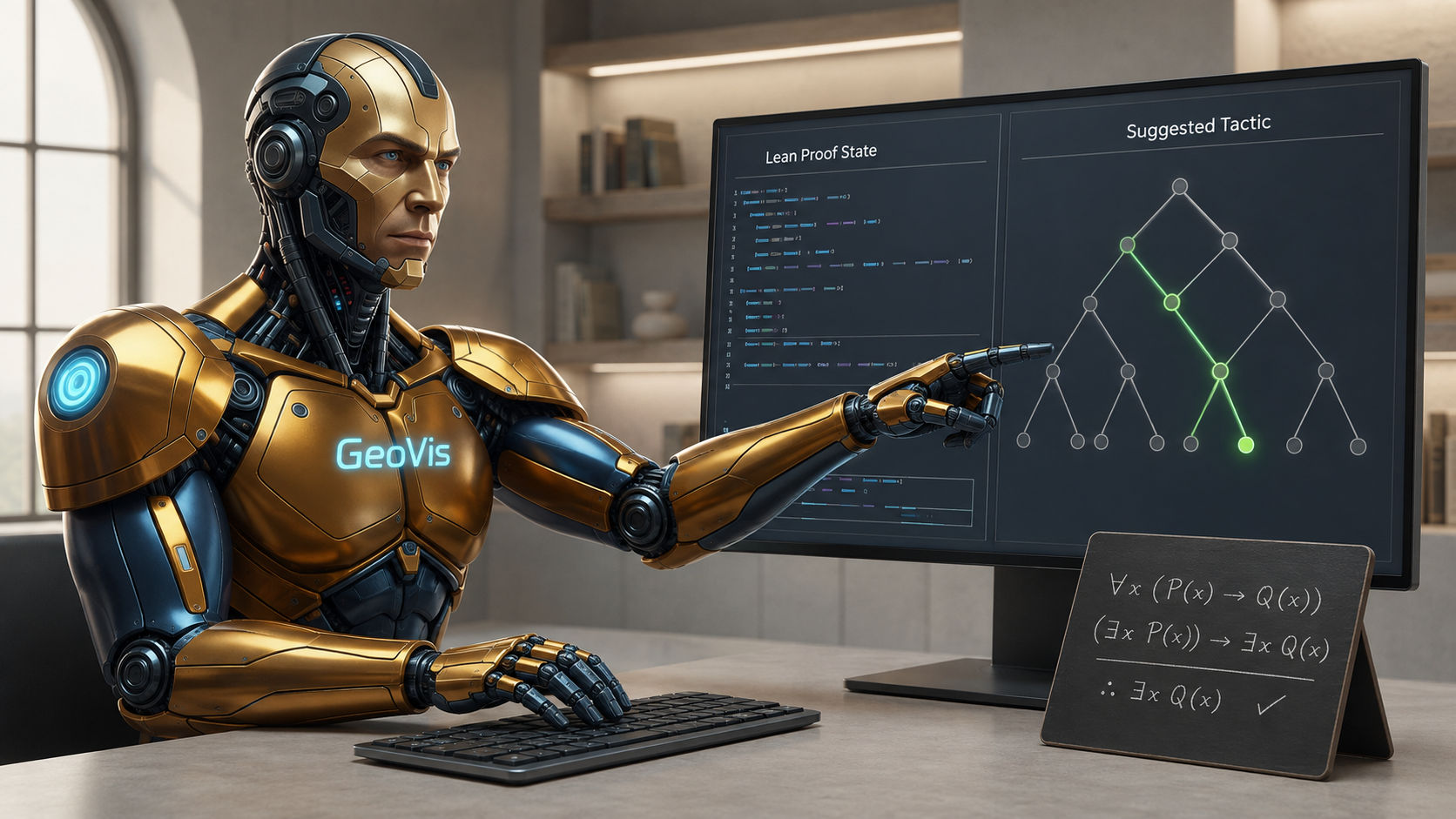
๐Ÿ“ Automated Mathematical Discovery & Theorem Proving
Automated mathematical discovery combines learned models, most often trained on human-writโ€ฆ
AI for Astronomy & Astrophysical Surveys
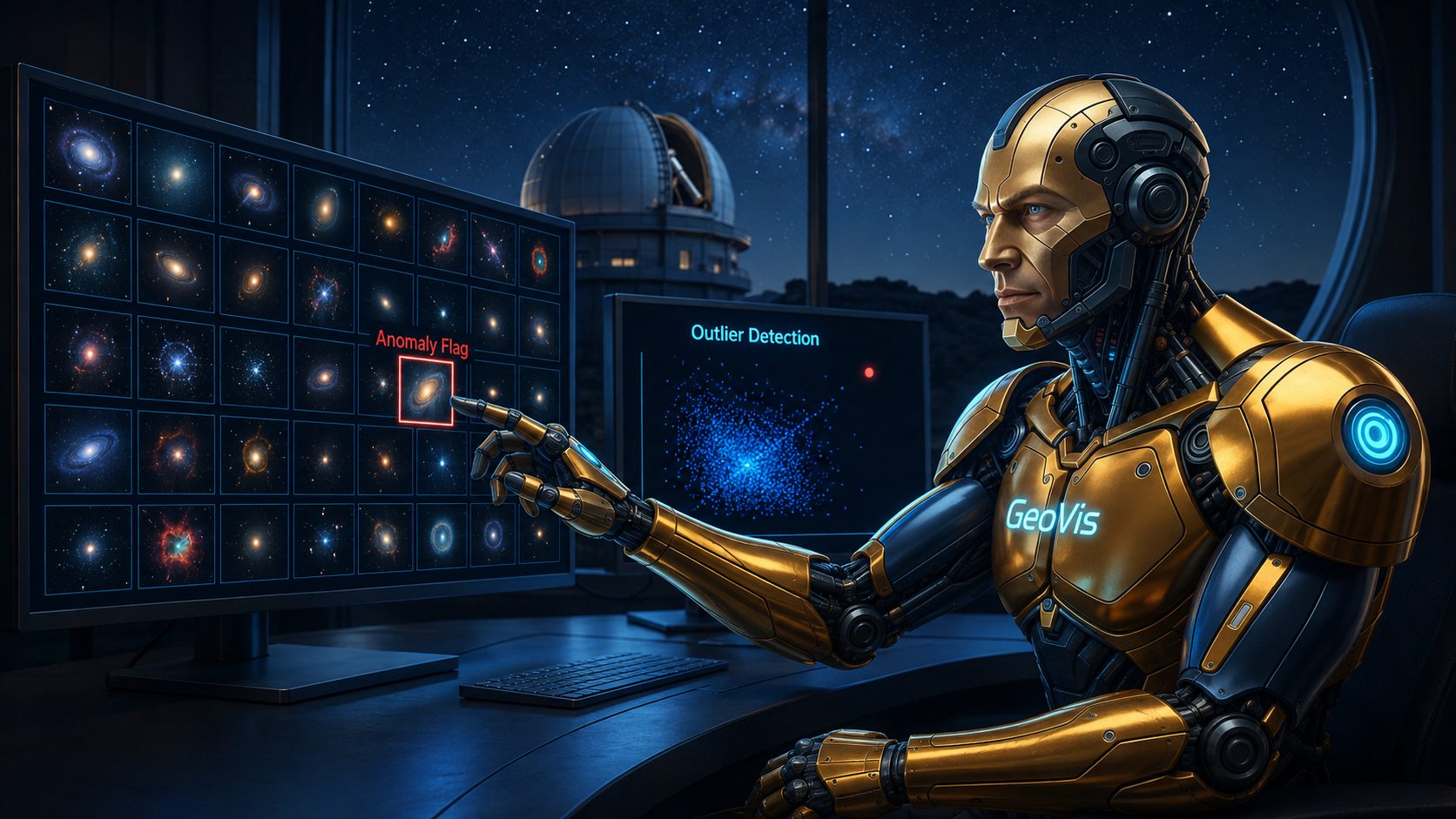
๐Ÿ”ญ AI for Astronomy & Astrophysical Surveys
AI for astronomy applies convolutional neural networks and anomaly-detection algorithms toโ€ฆ
AI-Driven Drug Discovery & Rational Molecular Design
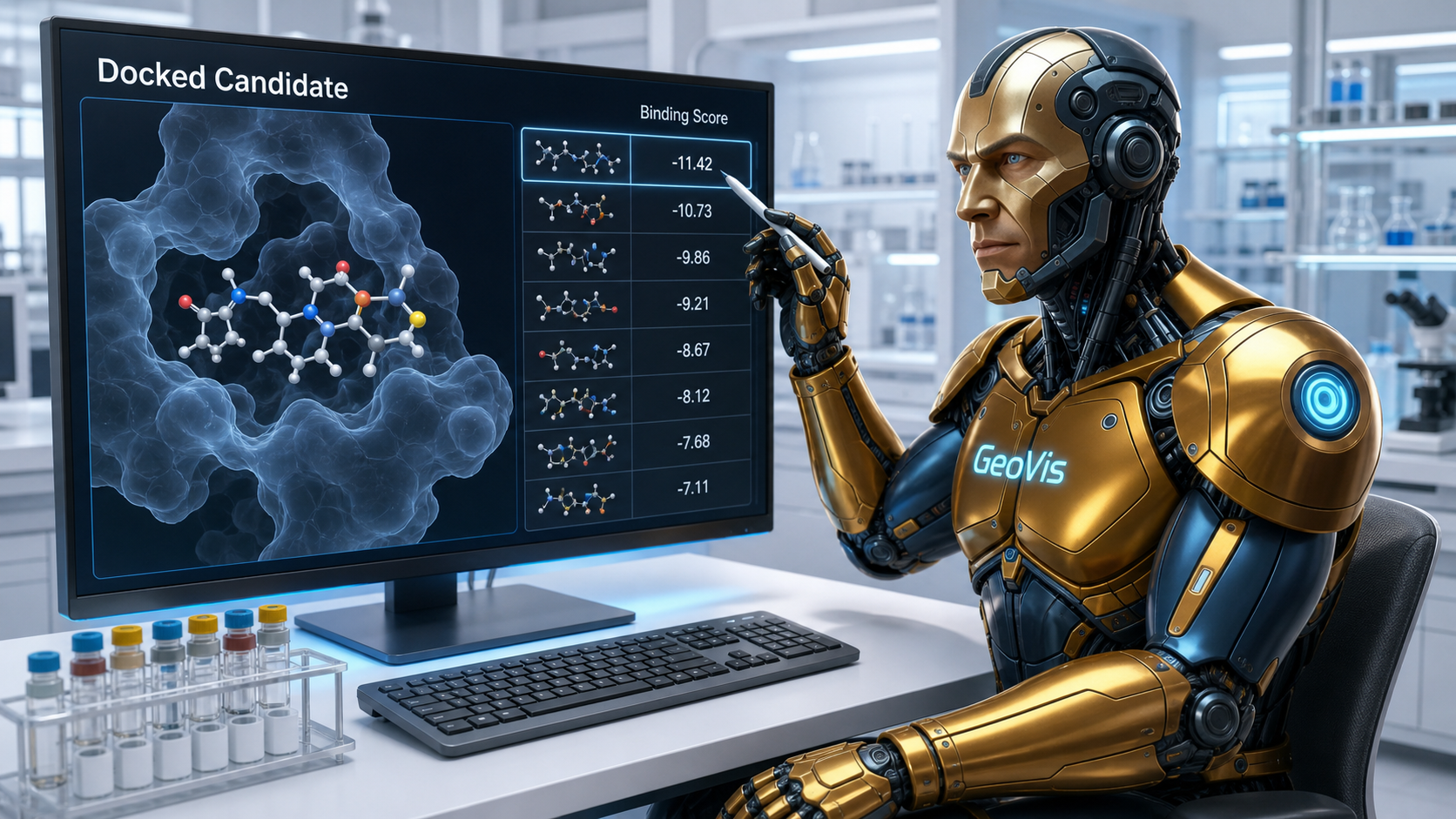
๐Ÿ’Š AI-Driven Drug Discovery & Rational Molecular Design
AI-driven drug discovery uses generative neural networks and learned property predictors, โ€ฆ
Simulation-Based Inference & Uncertainty Quantification
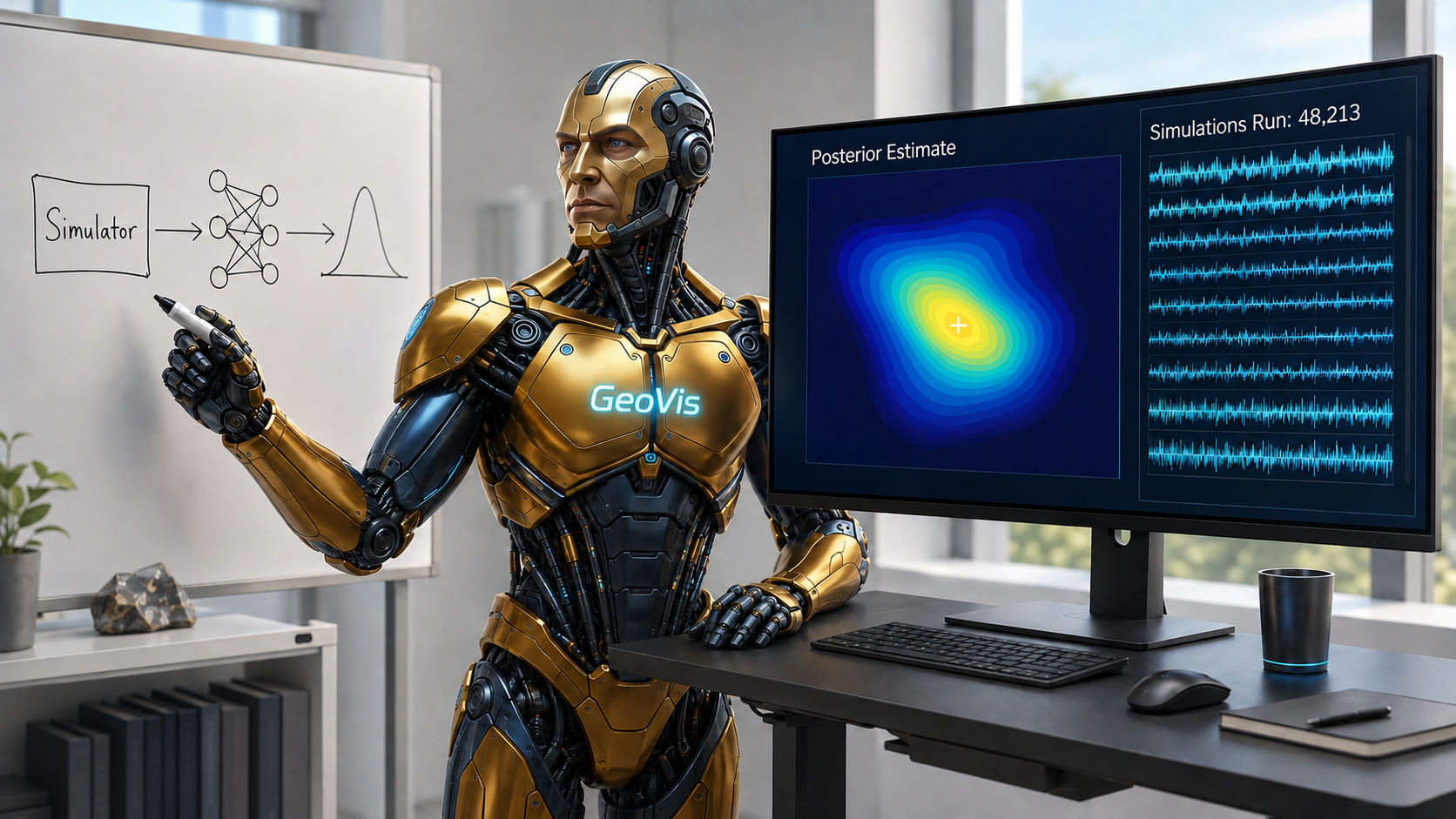
๐ŸŽฒ Simulation-Based Inference & Uncertainty Quantification
Simulation-based inference estimates the posterior distribution of unknown parameters of aโ€ฆ
AI for Earth System Science
๐ŸŒ AI for Earth System Science
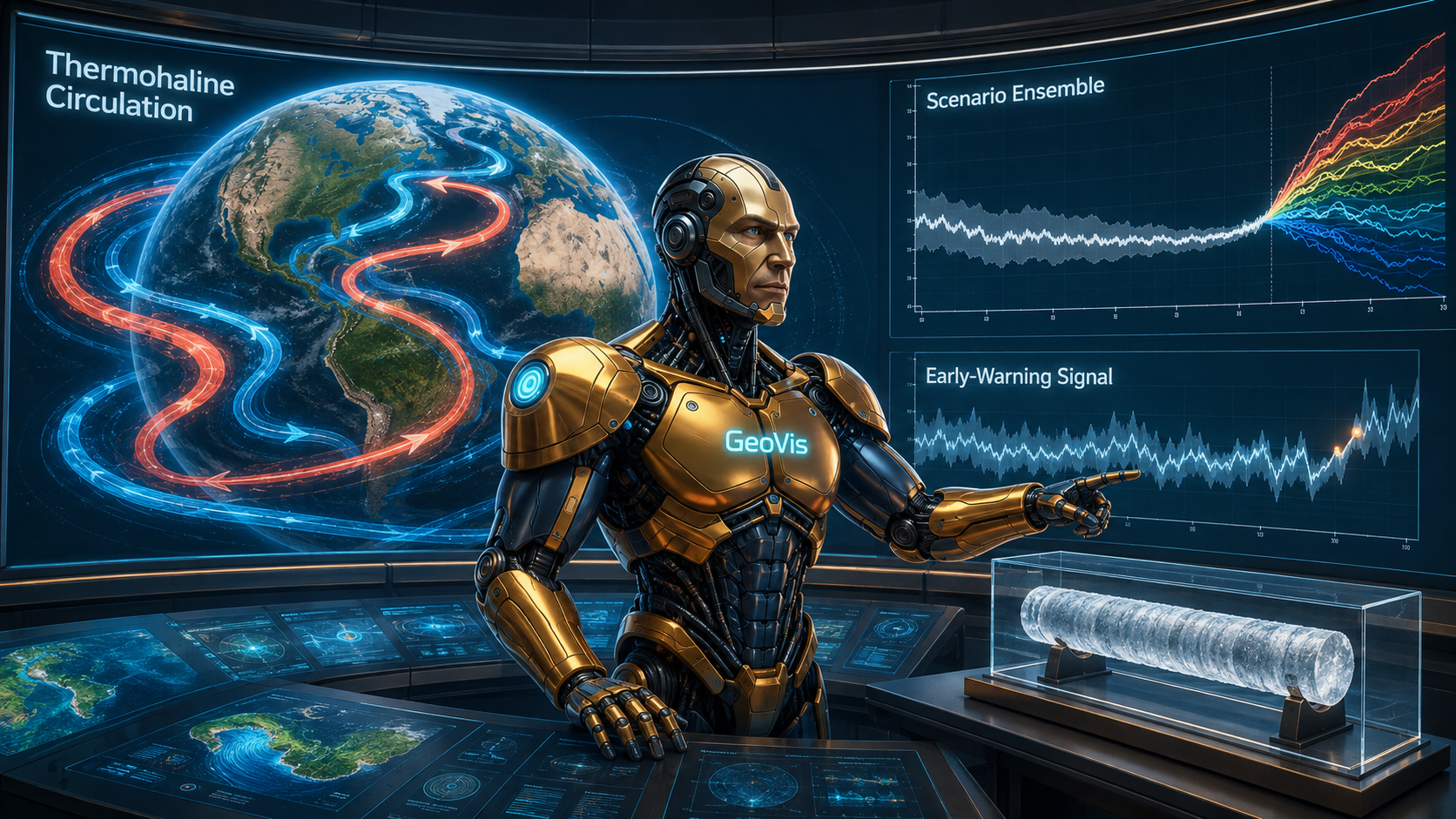
AI for Earth system science trains neural networks, usually on the output of physics-basedโ€ฆ
AI-Driven Computational Neuroscience
๐Ÿง  AI-Driven Computational Neuroscience
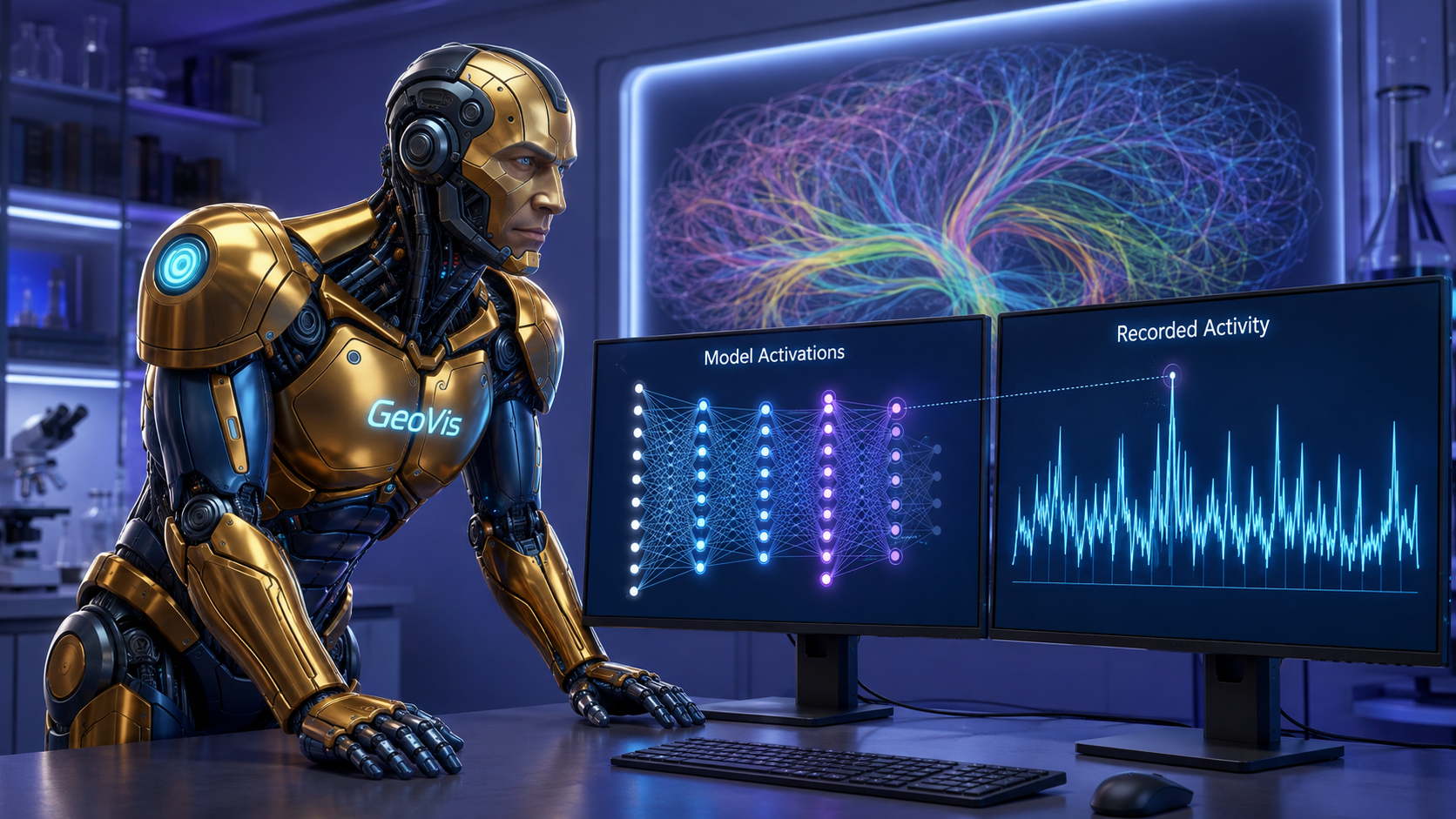
AI-driven computational neuroscience uses artificial neural networks both as explanatory mโ€ฆ
Causal Discovery & Experimental Design for Science
๐Ÿ”— Causal Discovery & Experimental Design for Science
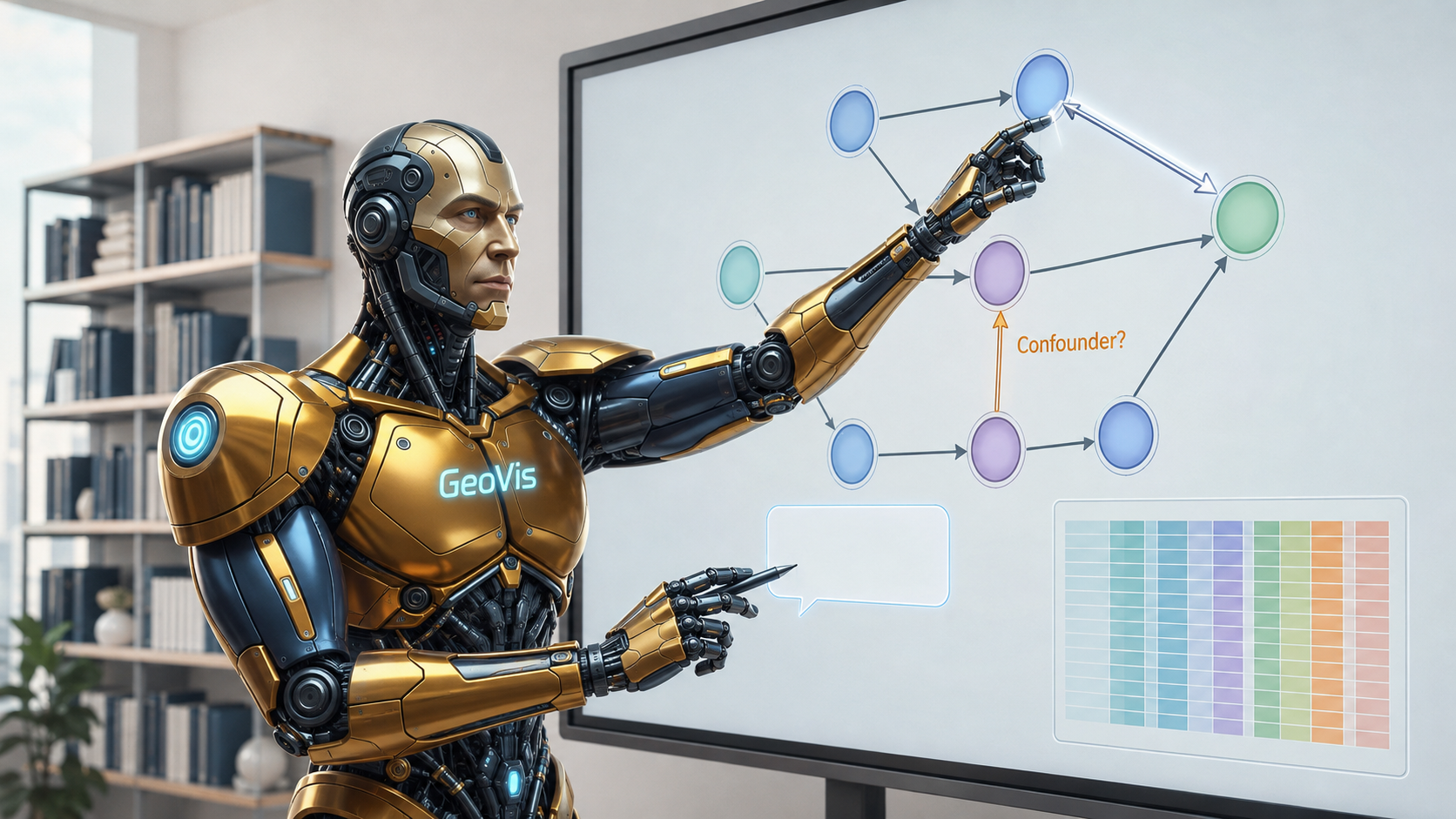
Causal discovery infers which variables in a dataset causally influence which others, and โ€ฆ
Crystallography & Diffraction-Based Structure Determination AI
๐Ÿ”ฌ Crystallography & Diffraction-Based Structure Determination AI
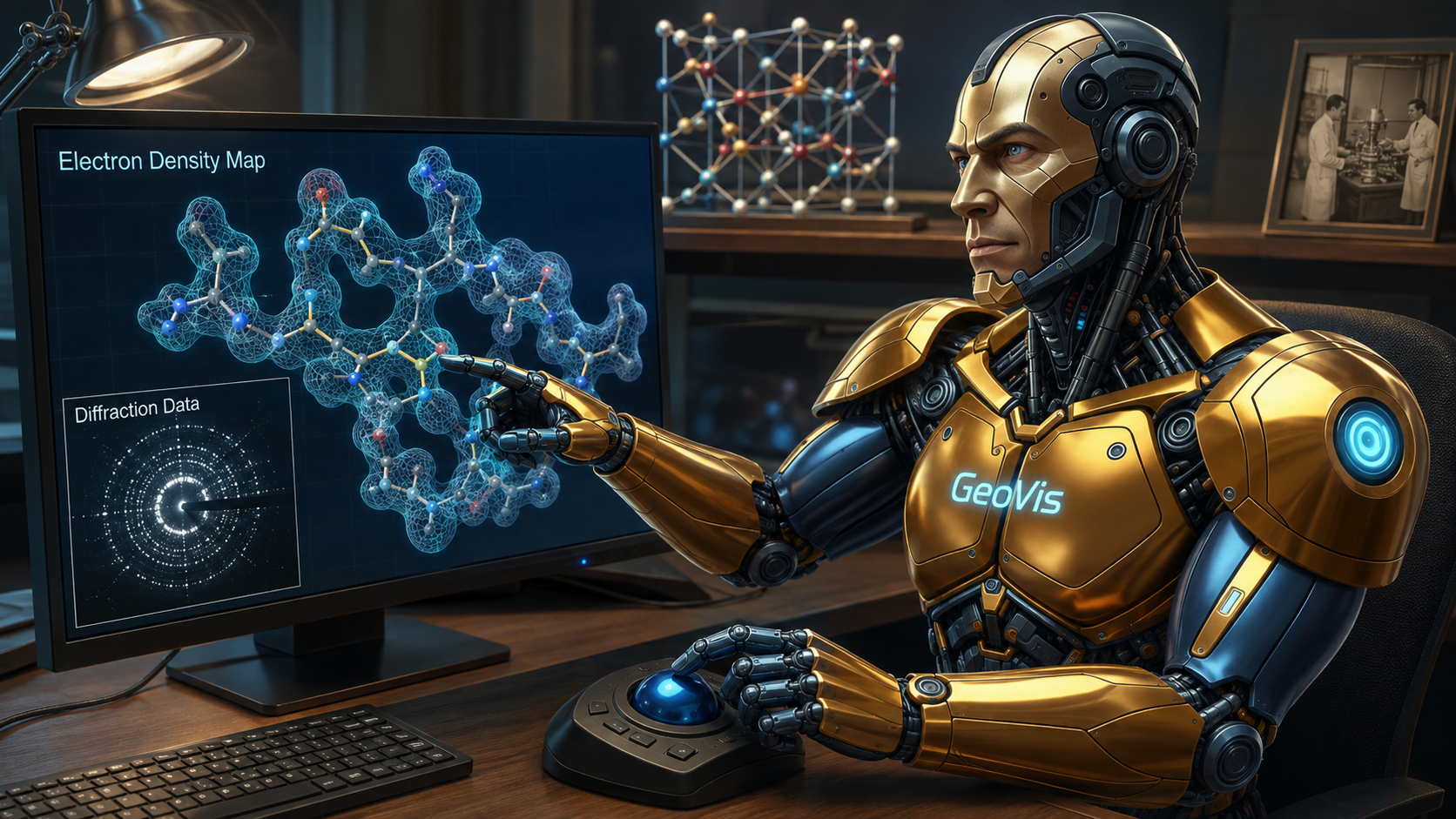
AI-assisted crystallography and cryo-electron-microscopy structure determination use trainโ€ฆ