๐ŸŽ“GeoAcademyGeoVerse Lab
โ† Resource & Energy Engineering College

Reservoir Modeling & Recovery Department

The Reservoir Modeling & Recovery Department centers on the ability to quantitatively characterize fluid behavior in porous media. Students use multiphase-flow simulation to predict how oil, gas, and water move through a reservoir, practice inverting well-test and pressure-transient data to back out reservoir properties, and learn to combine material-balance calculations with uncertainty quantification to produce confidence bounds on recovery forecasts. Graduates can draw on this integrated analysis to predict reservoir performance and optimize recovery strategy.
โš™๏ธ GeoAcademy System Administration College๐Ÿ–ฅ๏ธ AI & Computing Sciences College๐Ÿ”ฌ Basic Sciences Collegeโšก Intelligent Geophysical Exploration College๐Ÿ›ข๏ธ Resource & Energy Engineering College๐ŸŒ Applied Geoscience Solutions College๐Ÿ’ผ Economics, Policy & Strategy for the Future College๐ŸŽ“ Education & Training Development College๐Ÿš€ Innovation & International Collaboration College
Well & Production Engineering DepartmentRock Mechanics & Geomechanics DepartmentGeothermal Energy Engineering DepartmentHydrogen Energy & Storage DepartmentCarbon Engineering DepartmentMining Engineering DepartmentNuclear Energy Engineering DepartmentReservoir Modeling & Recovery Department
Darcy๐Ÿ”‘
โญ Darcy
Chair
๐Ÿ’ก Fluid Flow in Porous Media & Reservoir Simulation

Researchers (real GeoVerse Lab members) 17

๐Ÿง‘โ€๐Ÿ”ฌ
๐Ÿ”‘
1910โ€“2001
Miles C. Leverett
Researcher
๐Ÿ’ก Co-originator (with S.E. Buckley) of the Buckley-Leverett theory of immiscible fluid displacement in porous media (1942), the foundational frontal-advance theory taught in every reservoir engineering curriculum
Kenneth Pitzer๐Ÿ”‘
1914โ€“1997
Kenneth Pitzer
Researcher
๐Ÿ’ก Pitzer acentric factor and corresponding-states correlations (1955) underlying the cubic equations of state (Soave-Redlich-Kwong, Peng-Robinson) used in compositional reservoir simulation
๐Ÿง‘โ€๐Ÿ”ฌ
๐Ÿ”‘
1926โ€“2012
Joseph E. Warren
Researcher
๐Ÿ’ก Co-originator (with P.J. Root) of the Warren-Root dual-porosity model of naturally fractured reservoirs (1963), the foundational idealization still used in all fractured-reservoir simulation
๐Ÿง‘โ€๐Ÿ”ฌ
๐Ÿ”‘
1893โ€“1974
Cornelius Lanczos
Researcher
๐Ÿ’ก Lanczos algorithm (1950): an iterative method for tridiagonalizing large sparse matrices and solving eigenvalue/linear-system problems, foundational to modern sparse-matrix reservoir-simulator solvers
Philipp Ludwig von Seidel๐Ÿ”‘
1821โ€“1896
Philipp Ludwig von Seidel
Researcher
๐Ÿ’ก Co-originator of the Gauss-Seidel iterative method for solving systems of linear equations, the direct ancestor of the iterative linear solvers (Gauss-Seidel, SOR) used in every finite-difference reservoir simulator
Aleksandr Lyapunov๐Ÿ”‘
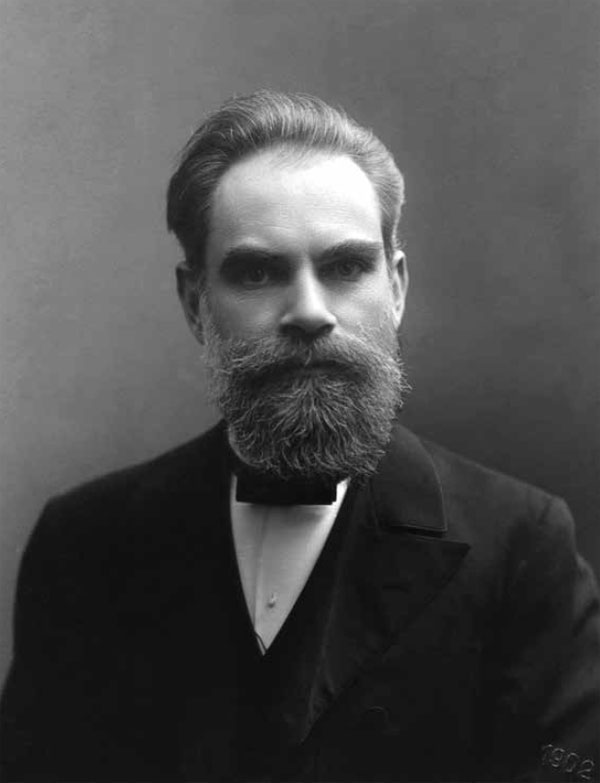
1857โ€“1918
Aleksandr Lyapunov
Researcher
๐Ÿ’ก Lyapunov stability theory (1892): the general mathematical theory of stability of the equilibria and trajectories of dynamical systems, underlying modern stability analysis of numerical time-stepping schemes
๐Ÿง‘โ€๐Ÿ”ฌ
๐Ÿ”‘
1921โ€“1984
Mahdi S. Hantush
Researcher
๐Ÿ’ก Hantush-Jacob and Hantush leaky-aquifer analytical solutions to the well-flow partial differential equation, among the most widely used closed-form solutions in well hydraulics and reservoir/aquifer flow analysis
๐Ÿง‘โ€๐Ÿ”ฌ
๐Ÿ”‘
1889โ€“1967
Josef Kozeny
Researcher
๐Ÿ’ก Kozeny equation (1927), later the Kozeny-Carman equation: theoretical relationship linking rock permeability to porosity, specific surface area, and pore-throat geometry
Godfrey Hounsfield๐Ÿ”‘
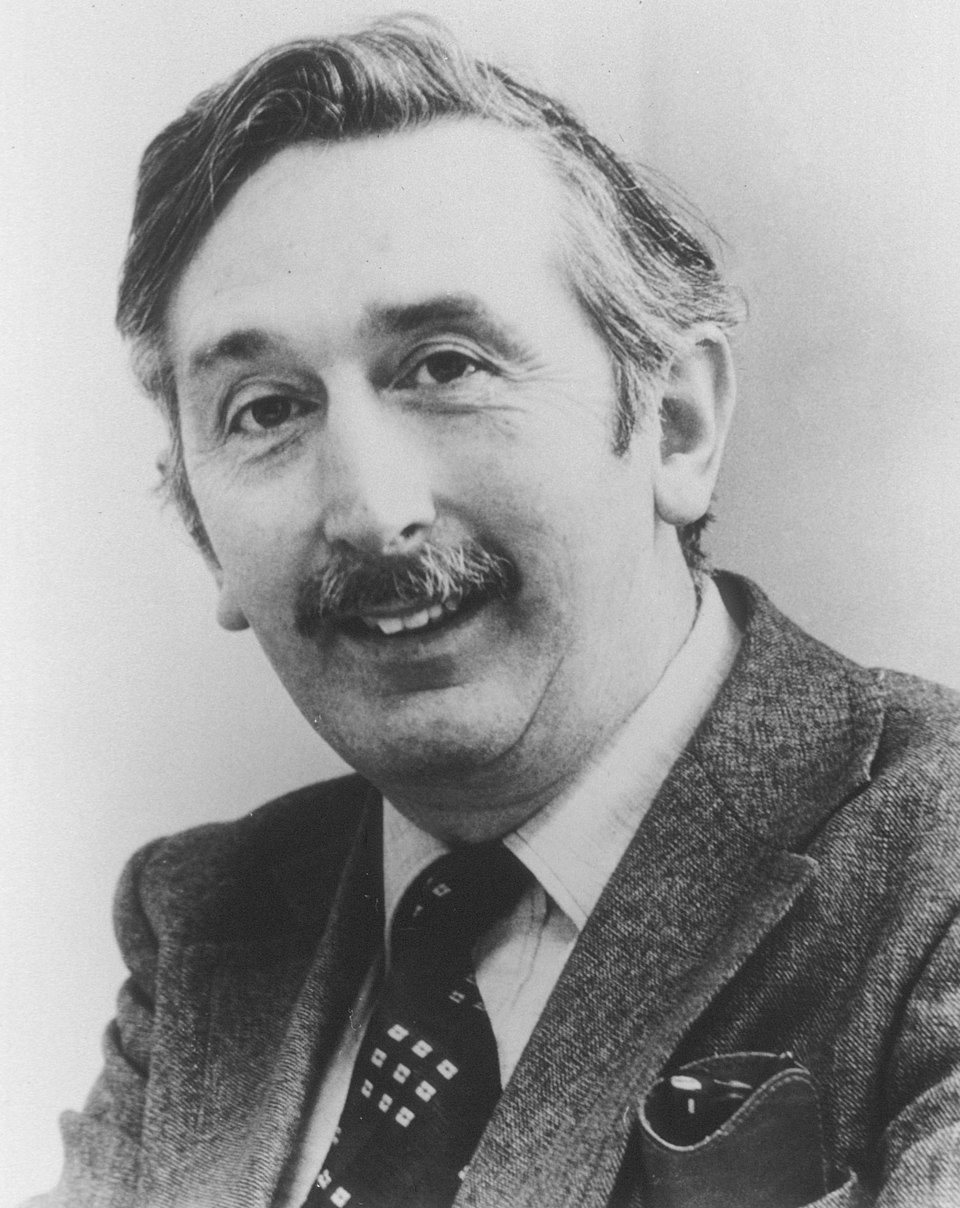
1919โ€“2004
Godfrey Hounsfield
Researcher
๐Ÿ’ก Invented the computed tomography (CT) scanner (1972), the X-ray cross-sectional imaging technology whose micro-scale descendant (micro-CT) is the standard tool for 3D imaging of reservoir-rock pore structure in digital rock physics
William Bate Hardy๐Ÿ”‘
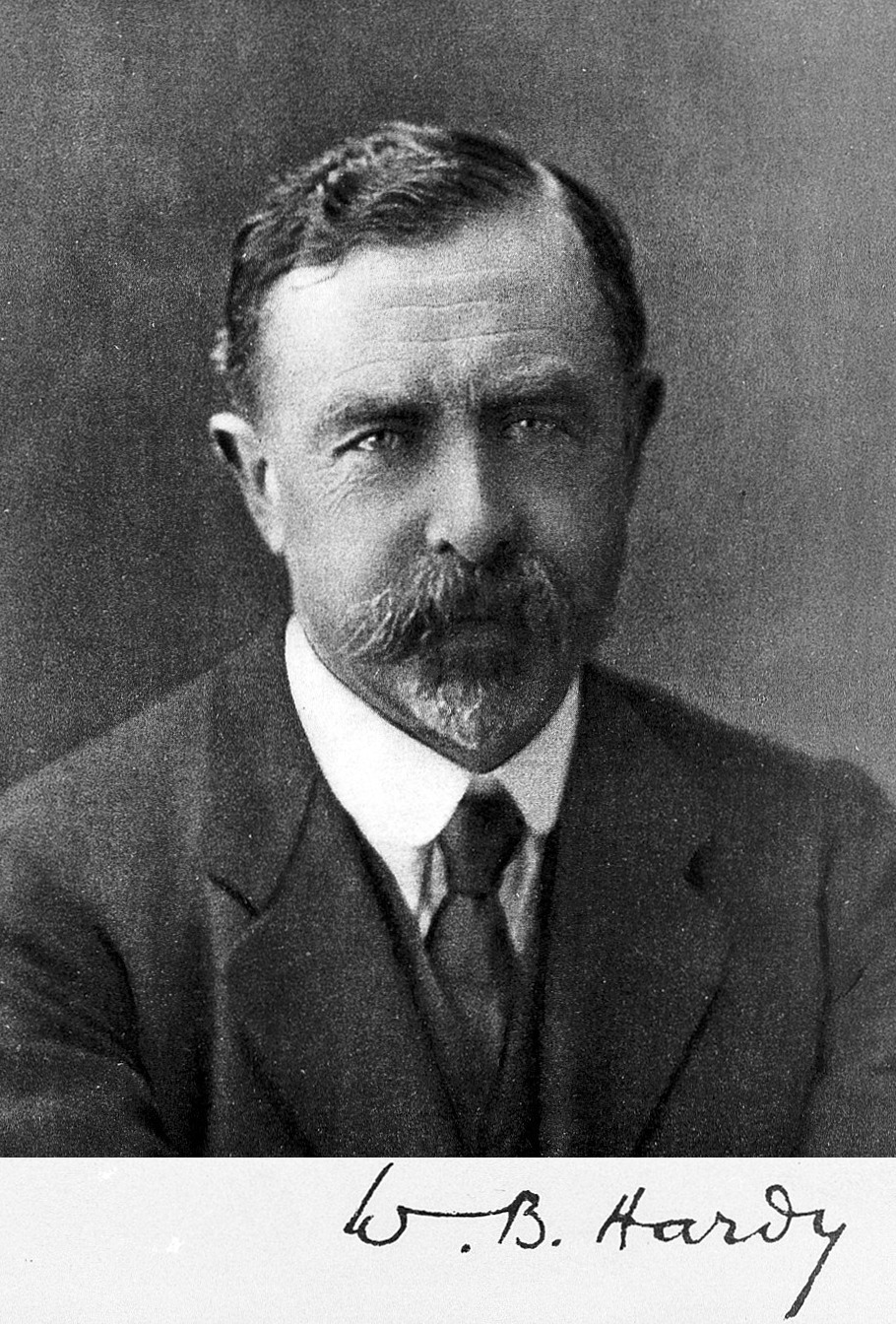
1864โ€“1934
William Bate Hardy
Researcher
๐Ÿ’ก Founding studies (with Ida Doubleday) of boundary lubrication and adsorbed molecular films at solid-liquid interfaces (1919-1922), and the Schulze-Hardy rule of colloid coagulation
๐Ÿง‘โ€๐Ÿ”ฌ
๐Ÿ”‘
1876โ€“1959
Max O. Lorenz
Researcher
๐Ÿ’ก Lorenz curve (1905): a graphical measure of distributional inequality, later adapted by petroleum engineers into the flow-capacity/storage-capacity 'Lorenz coefficient' used to characterize reservoir permeability heterogeneity
Ivo Babuลกka๐Ÿ”‘
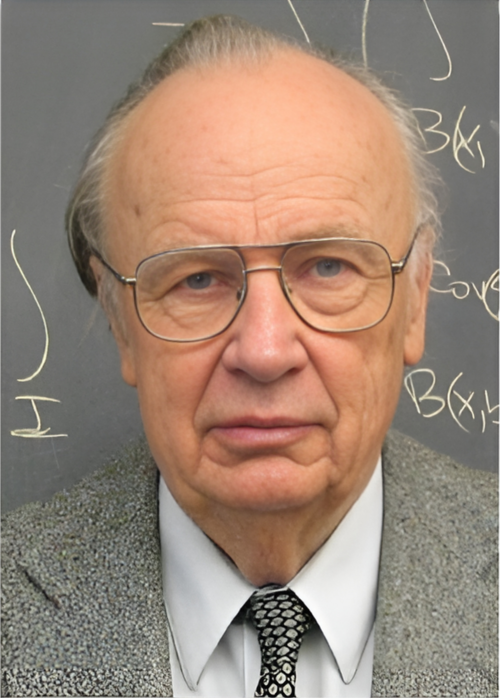
1926โ€“2023
Ivo Babuลกka
Researcher
๐Ÿ’ก Homogenization theory and the Babuska-Osborn theory of finite element methods for problems with highly heterogeneous coefficients, foundational to modern reservoir upscaling from fine-grid to coarse-grid permeability fields
๐Ÿง‘โ€๐Ÿ”ฌ
๐Ÿ”‘
1900โ€“1964
Ralph J. Schilthuis
Researcher
๐Ÿ’ก Formulated the general reservoir material balance equation (1936), the sole method for determining drive mechanism and predicting oil/gas reservoir behavior until well into the 1950s
Adhรฉmar Jean Claude Barrรฉ de Saint-Venant๐Ÿ”‘
1797โ€“1886
Adhรฉmar Jean Claude Barrรฉ de Saint-Venant
Researcher
๐Ÿ’ก Saint-Venant equations (1871): the depth-averaged shallow-water/unsteady open-channel flow equations describing transient, time-dependent boundary flow
๐Ÿง‘โ€๐Ÿ”ฌ
๐Ÿ”‘
1905โ€“1996
William Hurst
Researcher
๐Ÿ’ก Co-originator (with A.F. van Everdingen) of the Laplace-transform analytical theory of unsteady-state reservoir flow (1949), the direct mathematical foundation of well-test pressure-transient analysis
๐Ÿง‘โ€๐Ÿ”ฌ
๐Ÿ”‘
1929โ€“1997
Donald Marquardt
Researcher
๐Ÿ’ก Co-developer of the Levenberg-Marquardt nonlinear least-squares optimization algorithm (1963), the standard algorithm underlying automated reservoir history-matching software
Henry Selby Hele-Shaw๐Ÿ”‘
1854โ€“1941
Henry Selby Hele-Shaw
Researcher
๐Ÿ’ก Invented the Hele-Shaw cell (1898): a narrow parallel-plate flow apparatus that experimentally visualizes streamlines of potential (Darcy-analogous) flow, the classical physical analogy underlying streamline reservoir simulation