๐ŸŽ“GeoAcademyGeoVerse Lab
โ† Basic Sciences College

Physical Oceanography Department

The Physical Oceanography Department teaches the interaction between climate and marine systems by having students reproduce ocean circulation, waves, tides, and thermohaline circulation through general-circulation-model (GCM) simulation. Students practice reproducing circulation patterns directly through GCM-based simulation, graduating with hands-on proof that they can analyze and explain climate-ocean interaction using modeling tools.
โš™๏ธ GeoAcademy System Administration College๐Ÿ–ฅ๏ธ AI & Computing Sciences College๐Ÿ”ฌ Basic Sciences Collegeโšก Intelligent Geophysical Exploration College๐Ÿ›ข๏ธ Resource & Energy Engineering College๐ŸŒ Applied Geoscience Solutions College๐Ÿ’ผ Economics, Policy & Strategy for the Future College๐ŸŽ“ Education & Training Development College๐Ÿš€ Innovation & International Collaboration College
Mathematics DepartmentPhysics DepartmentChemistry DepartmentBiology DepartmentAtmospheric Sciences DepartmentStratigraphy & Sedimentology DepartmentStructural Geology & Tectonics DepartmentPetrology & Mineralogy DepartmentGeochemistry DepartmentPaleontology & Evolutionary Biology DeptRemote Sensing & Earth Observation DeptHydrogeology & Soil Science DepartmentPhysical Oceanography DepartmentMarine Geology & Geophysics DepartmentChemical Oceanography DepartmentMarine Biology & Ecology Department
Sverdrup๐Ÿ”‘
โญ Sverdrup
Chair
๐Ÿ’ก physical_oceanography

Researchers (real GeoVerse Lab members) 12

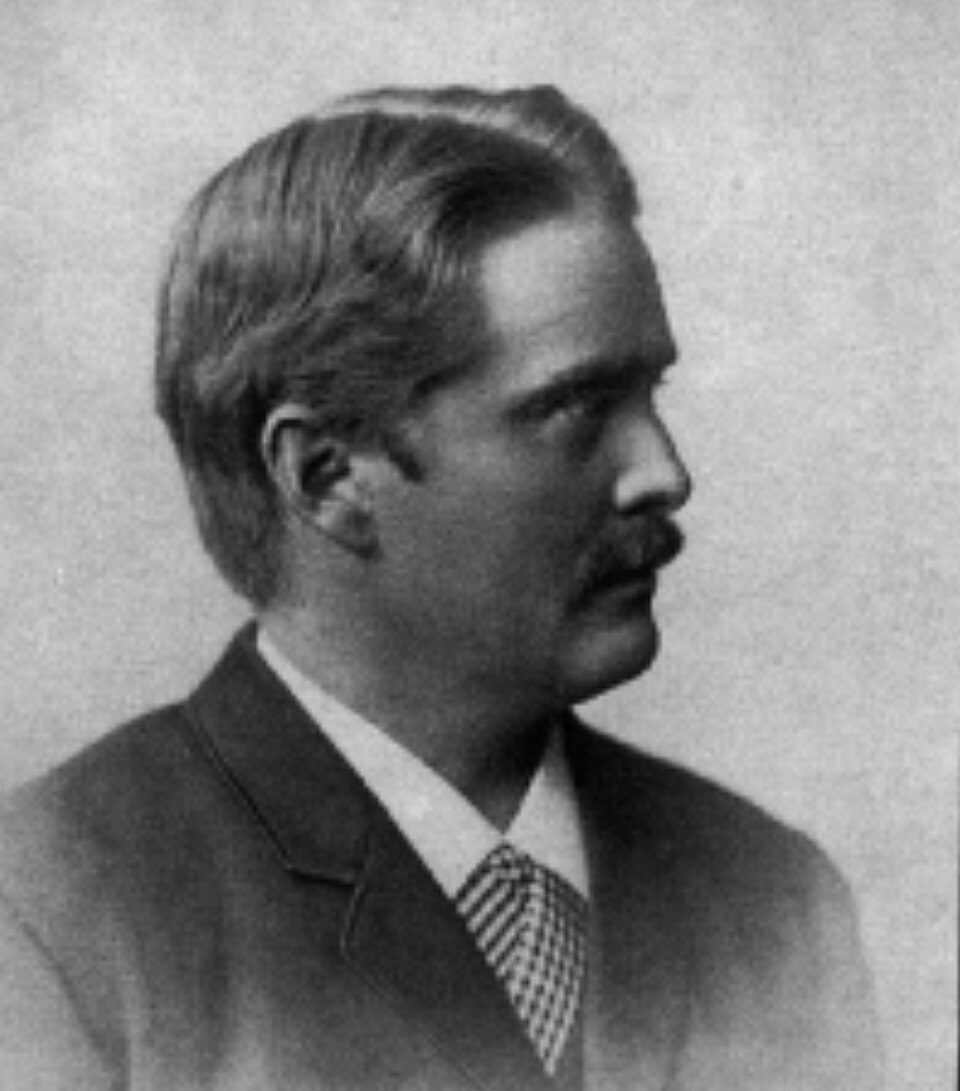
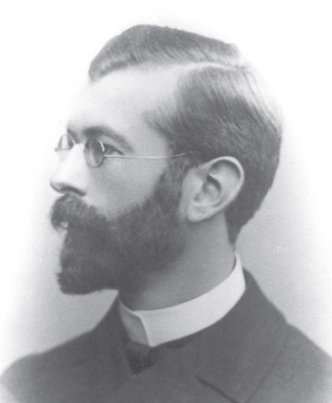
Vagn Walfrid Ekman๐Ÿ”‘
1874โ€“1954
Vagn Walfrid Ekman
Researcher
๐Ÿ’ก Derived the Ekman spiral, explaining how wind-driven surface currents deflect with depth due to Coriolis force, founding dynamical wind-driven ocean circulation theory
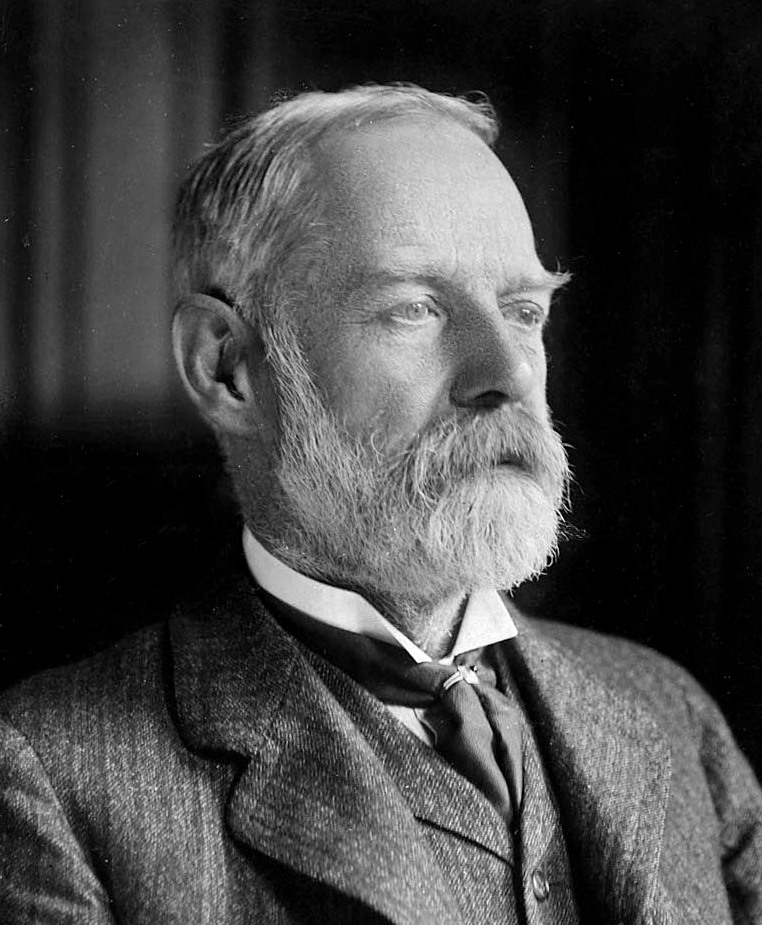
George Darwin๐Ÿ”‘
1845โ€“1912
George Darwin
Researcher
๐Ÿ’ก Founded modern quantitative tidal theory, developing harmonic analysis methods for predicting ocean tides
Walter Munk๐Ÿ”‘
1917โ€“2019
Walter Munk
Researcher
๐Ÿ’ก Developed the Sverdrup-Munk wave forecasting method used for D-Day landing planning, and pioneered ocean acoustic tomography
Jacob Bjerknes๐Ÿ”‘
1897โ€“1975
Jacob Bjerknes
Researcher
๐Ÿ’ก Discovered the ocean-atmosphere feedback mechanism explaining the El Niรฑo-Southern Oscillation (ENSO), connecting Pacific Ocean warming to global atmospheric circulation
Bjรธrn Helland-Hansen๐Ÿ”‘
1877โ€“1957
Bjรธrn Helland-Hansen
Researcher
๐Ÿ’ก Co-developed the dynamic method for calculating ocean currents from density (temperature-salinity) measurements, foundational to modern geostrophic current computation
Fridtjof Nansen๐Ÿ”‘
1861โ€“1930
Fridtjof Nansen
Researcher
๐Ÿ’ก Pioneered Arctic Ocean physical oceanography through the Fram expedition, observing ice drift deflection that inspired Ekman's spiral theory
Sven Otto Pettersson๐Ÿ”‘
1848โ€“1941
Sven Otto Pettersson
Researcher
๐Ÿ’ก Pioneered systematic instrumented observation of ocean water masses and founded modern physical oceanographic institutions in Scandinavia
๐Ÿง‘โ€๐Ÿ”ฌ
๐Ÿ”‘
1925โ€“2013
Klaus Wyrtki
Researcher
๐Ÿ’ก Established the observational network and conceptual framework for monitoring and forecasting El Niรฑo events across the tropical Pacific
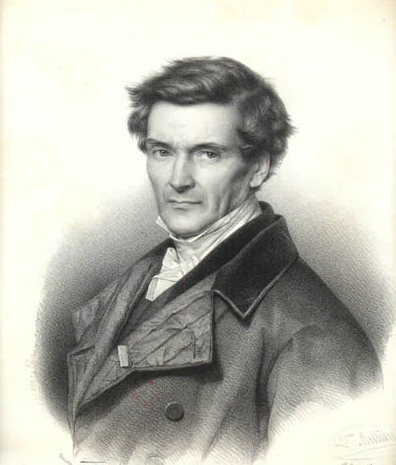
Gaspard-Gustave de Coriolis๐Ÿ”‘
1792โ€“1843
Gaspard-Gustave de Coriolis
Researcher
๐Ÿ’ก Derived the mathematical description of the deflection force acting on bodies moving within a rotating reference frame, foundational to all large-scale ocean and atmospheric dynamics
๐Ÿง‘โ€๐Ÿ”ฌ
๐Ÿ”‘
1888โ€“1975
Joseph Proudman
Researcher
๐Ÿ’ก Developed foundational mathematical theory of tidal dynamics and established one of the first dedicated oceanographic research institutes in Britain
๐Ÿง‘โ€๐Ÿ”ฌ
๐Ÿ”‘
1930โ€“2010
Owen Martin Phillips
Researcher
๐Ÿ’ก Developed foundational theory of wind-wave generation and turbulent mixing processes in the upper ocean
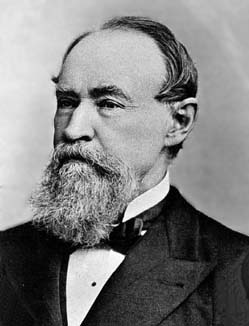
William Ferrel๐Ÿ”‘
1817โ€“1891
William Ferrel
Researcher
๐Ÿ’ก Developed the mathematical theory of atmospheric and oceanic general circulation and pioneered mechanical tide-predicting machines using harmonic analysis